Outgrowing your current place and eyeing more space in Brentwood? You’re not alone. Many local homeowners reach a point where they want a bigger yard, a better layout, or a shorter list of weekend projects. This guide breaks down the real tradeoffs move-up buyers face in Brentwood so you can choose a neighborhood that fits your lifestyle, budget, and commute. Let’s dive in.
Brentwood move-up reality check in 2026
Brentwood is a high-end suburban market with values commonly above seven figures, and the luxury segment shapes the averages. As of early 2026, multiple trackers point to a strong, still luxury-weighted market. You can use the latest Brentwood market snapshot to confirm current conditions when you start your search.
Commute patterns help frame your neighborhood choice. The Census QuickFacts for Brentwood shows a mean travel time to work of about 25.7 minutes. This is a helpful baseline rather than a guaranteed drive time, since congestion and departure times will affect your actual door-to-door trip.
Bottom line: expect to weigh space, amenities, ongoing costs, and commute access. The right answer depends on what matters most to you.
Two paths: established vs newer communities
Most move-up buyers in Brentwood compare two archetypes. Here is how they stack up at a glance.
Established subdivisions: space and character
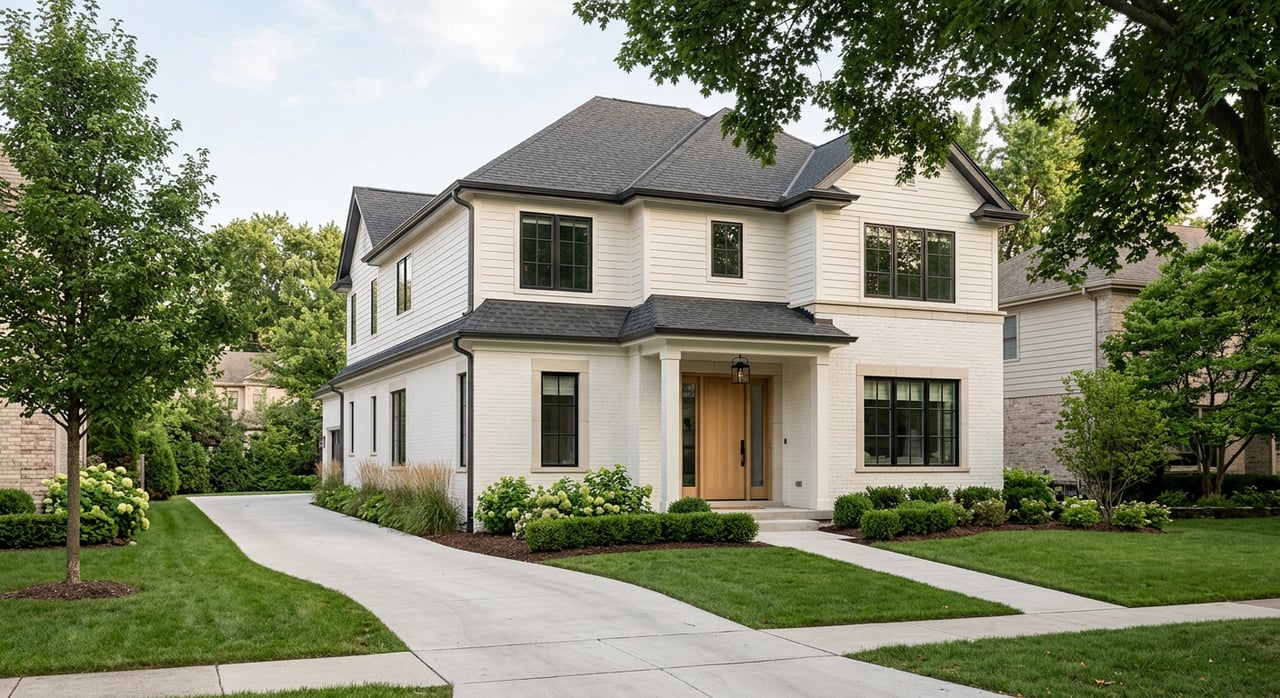
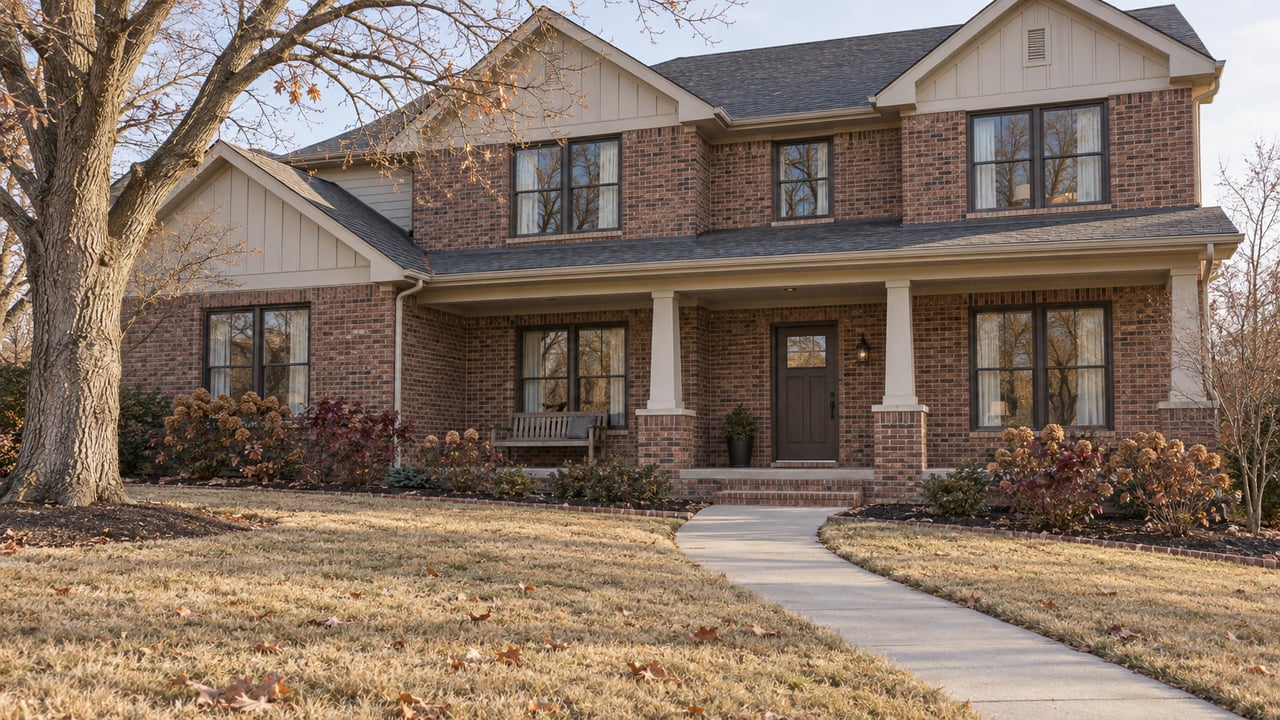
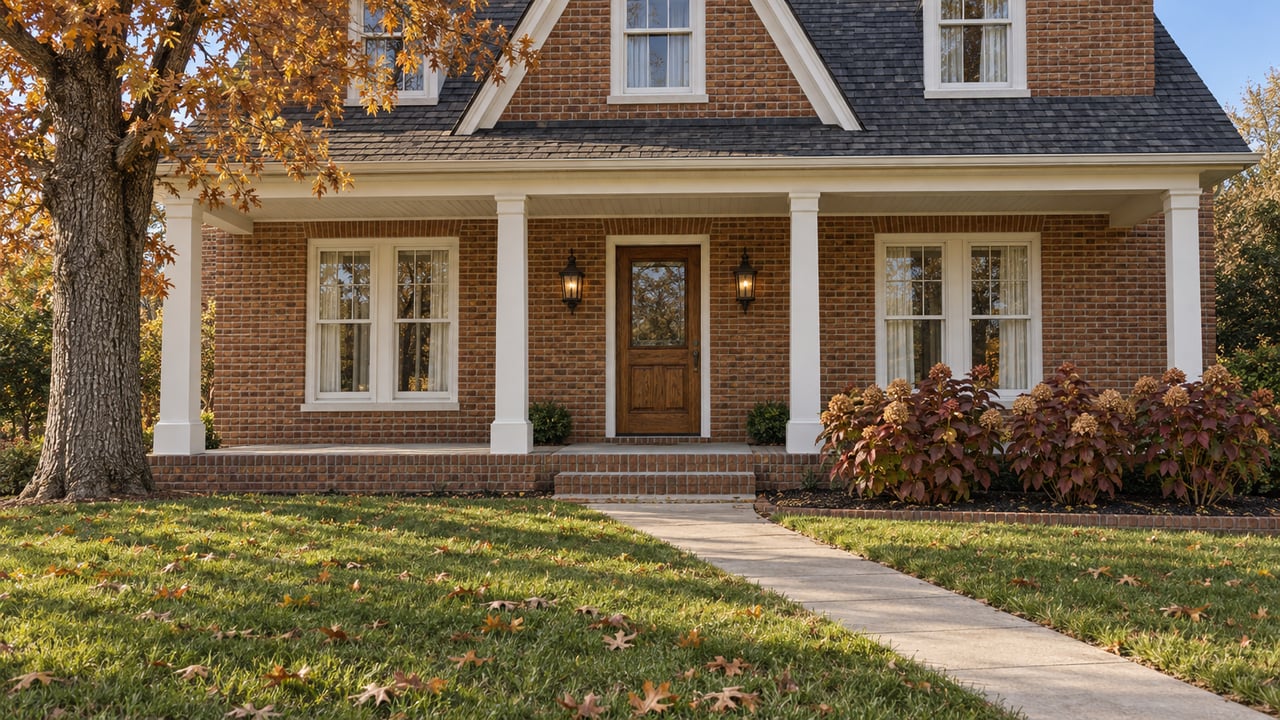
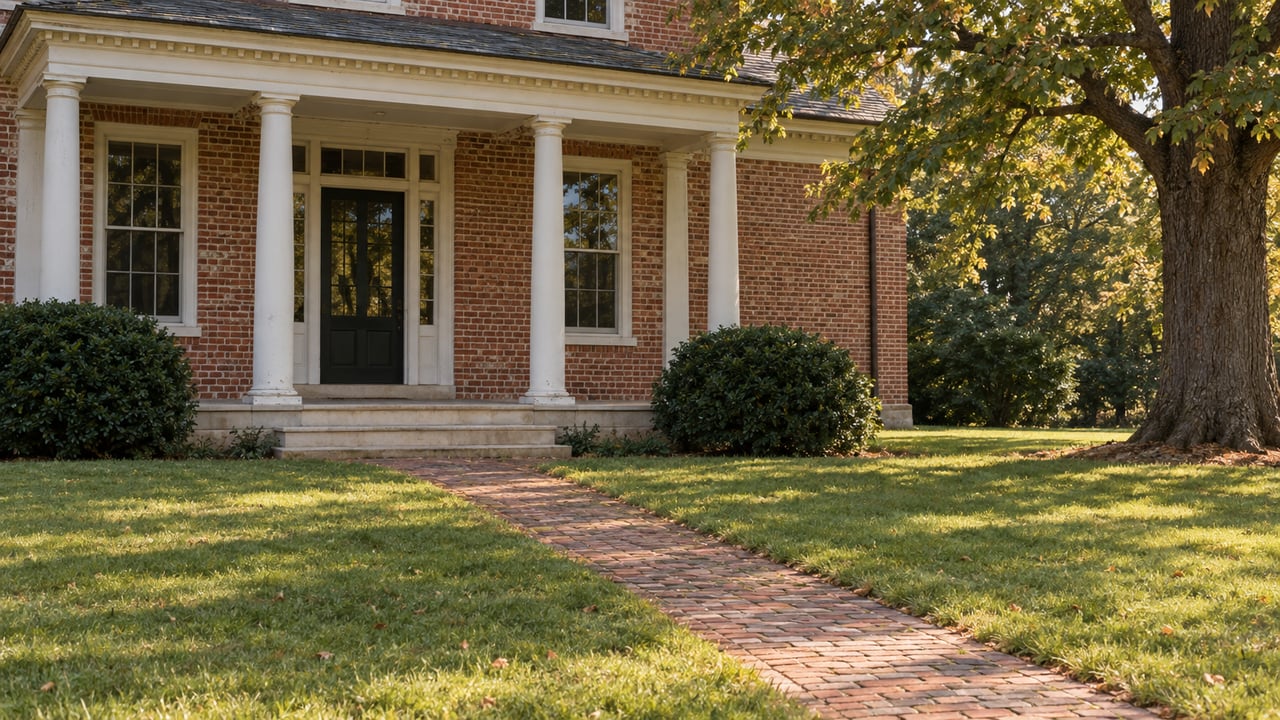
Older Brentwood neighborhoods often feature homes built from the mid-20th century through the 1990s or early 2000s. You’ll see traditional, colonial, ranch, and custom estate styles. Many parcels are larger, frequently ranging from about a half-acre to 2 or more acres. For instance, recent listings in older enclaves like Brentwood Estates have included lots around 1.86 acres, which illustrates what a “large lot” can mean here.
What you tend to get:
- Bigger lots and mature trees that create privacy and a classic streetscape.
- Architectural variety and established curb appeal.
- Lower likelihood of a mandatory HOA, or a modest association focused on simple upkeep.
Tradeoffs to plan for:
- Renovation and maintenance. Older systems, roofs, windows, and floor plans may need updates.
- Layout preferences. You might want to open up walls, refresh kitchens, or add functional spaces to match today’s lifestyles.
If you love yard space, privacy, and classic architecture, these neighborhoods can be a great fit. Just set aside a realistic budget for improvements in your first few years.
Newer master-planned and infill: convenience and amenities
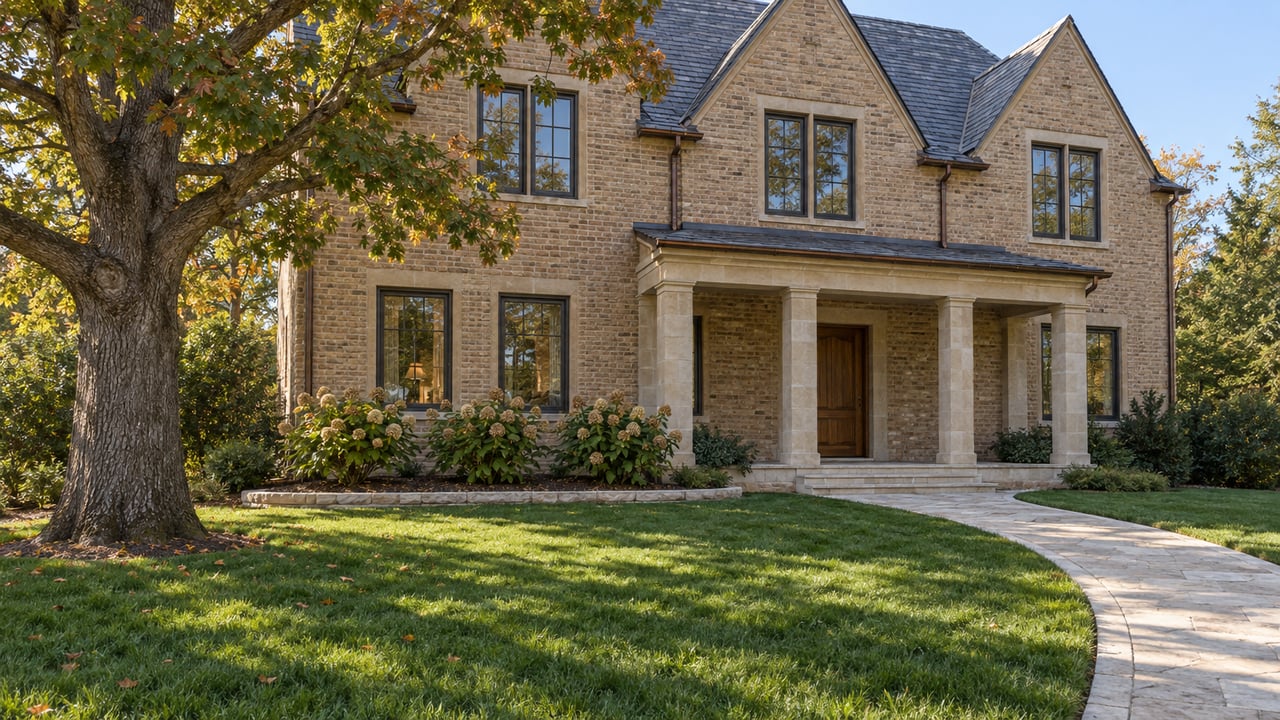
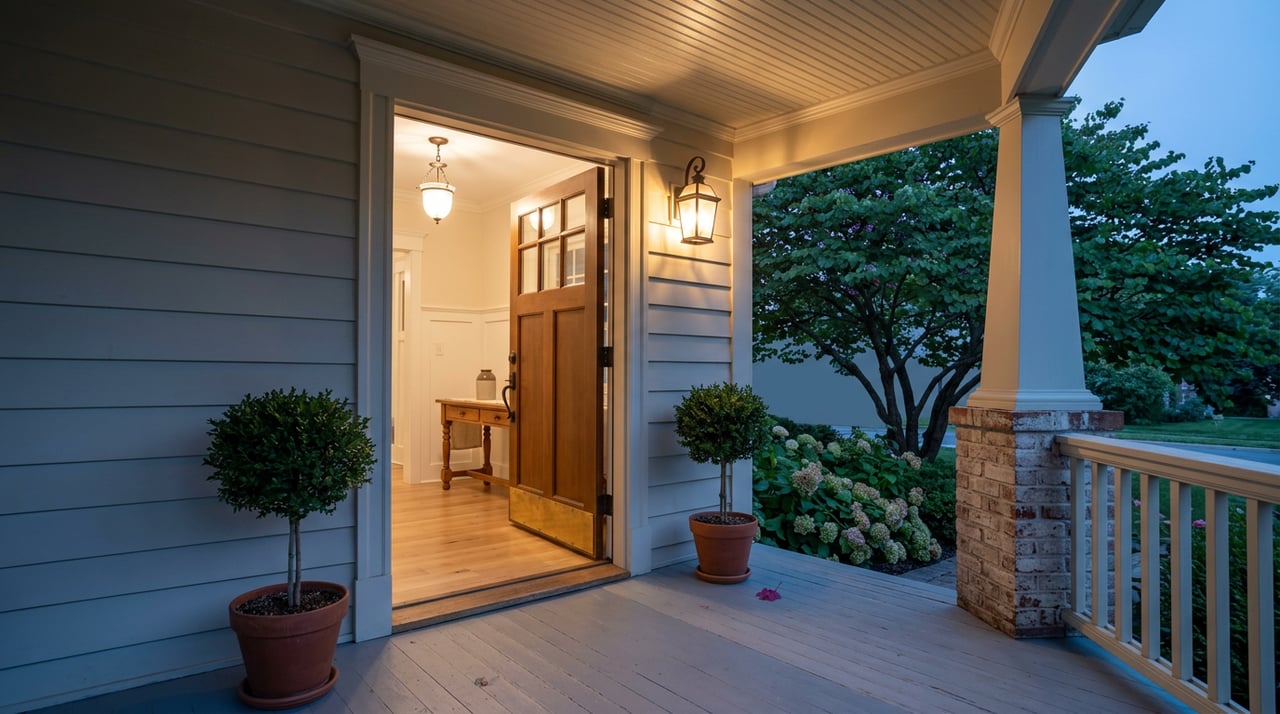
Newer Brentwood communities, built mostly in the 2010s to the present, emphasize open floor plans, large kitchens, flexible rooms, and integrated tech or energy features. Lots are typically smaller than older estates, though still generous by many metro standards, often around a quarter to three-quarters of an acre.
Common features:
- Community pools, sidewalks, walking trails, and courts or pickleball.
- Coordinated streetscapes with consistent design and landscaping.
- Mandatory HOAs that maintain amenities and common areas.
Many buyers value the lower short-term maintenance risk. Newer builds commonly include builder warranties that reduce early repair surprises. A typical model is 1-year workmanship, 2-year systems, and a longer structural warranty. You can read an overview of how these packages work from a leading provider at 2-10 HBW.
Representative Brentwood examples:
- Tuscany Hills. A newer luxury neighborhood known for sidewalks, a pool, and custom homes. Explore community context and amenities on this Tuscany Hills neighborhood page.
- The Reserve at Raintree Forest. A larger plan with walking trails and pool-centric amenities that have expanded over time, including features like a cabana and pickleball. See local coverage in Williamson Source.
- Primm Farm. Select new construction phases and listings highlight modern finishes and HOA structures typical of recent Brentwood projects.
Tradeoffs to expect:
- HOA fees that fund amenities and upkeep.
- Higher price per square foot compared with some older homes.
- Landscape maturity. Trees and buffers may be younger than in older enclaves.
If you want turnkey living, modern layouts, and community amenities, newer neighborhoods deliver strong day-to-day ease.
Lots, amenities, and costs: what changes
Here is how these two paths tend to differ for Brentwood move-up buyers.
- Lot sizes. Established subdivisions often offer larger parcels, commonly about 0.5 to 2+ acres. Newer communities usually sit in the 0.25 to 0.75 acre range, with some sections offering larger estate lots.
- Amenities. Newer plans frequently include pools, walking trails, and active programming. Older neighborhoods usually have fewer shared amenities, which some buyers prefer for simplicity.
- Ongoing costs. Newer communities carry HOA dues that vary widely based on amenity level. Older homes may avoid HOA fees but can require higher near-term repair or renovation budgets.
- Marketability. New layouts, energy features, and low maintenance often appeal to future buyers. Large-lot homes in established areas also hold strong demand, especially with thoughtful updates. Always ground price expectations in recent, neighborhood-level comps.
Tip: review a neighborhood’s CC&Rs, current budget, and reserve study to understand dues and any planned improvements. Pages like the Tuscany Hills neighborhood overview can help you frame questions before requesting official HOA documents from the seller.
Commute and daily rhythm
Your weekdays will feel very different depending on how you connect to major corridors. Brentwood’s mean travel time to work is about 25.7 minutes per the Census QuickFacts. Proximity to I-65, Maryland Farms, and Cool Springs can shift your door-to-door times at peak hours.
- I-65 is the backbone north-south corridor through Brentwood.
- Maryland Farms is a large employment hub and an access point to I-65. For area context, see a representative building within the district on LoopNet.
- Cool Springs to the south is another major employment and retail center.
How to test your commute:
- Map 2 to 3 candidate addresses and test-drive at your actual AM and PM times.
- Model side trips to daycare, sports, and grocery to understand your real weekly rhythm.
- Compare commute corridors rather than banking on a single minute estimate.
Which option fits your priorities?
Use these quick profiles to see where you land.
You want yard space and privacy
- Priorities: a larger lot, mature trees, outdoor entertaining, or room for a pool.
- Likely fit: an established subdivision with half-acre to multi-acre parcels.
- Plan for: updates to kitchens, baths, roofs, windows, and mechanicals in your first few years.
You want modern layouts and low maintenance
- Priorities: a bright open plan, oversized kitchen, main-floor suite, and smart-home features.
- Likely fit: a newer master-planned community with amenities and builder warranties.
- Plan for: HOA dues and slightly smaller lot sizes on average, but a simpler move-in.
You want to streamline your commute
- Priorities: predictable access to I-65 or a short hop to Maryland Farms or Cool Springs.
- Likely fit: either archetype, depending on location within Brentwood and your schedule.
- Plan for: test drives at peak hours. Use the Census’ 25.7-minute mean as a baseline reference, not a promise.
You care about long-term value
- Priorities: marketability when you sell and neighborhood consistency.
- Likely fit: depends on your buyer pool. Turnkey homes with modern layouts show broad appeal, while large-lot homes in established areas remain sought after, especially when updated.
- Plan for: a data-driven purchase using recent, neighborhood-level comps and days-on-market trends. The Brentwood market snapshot is a good starting point to understand the luxury-weighted landscape.
Smart due diligence for Brentwood buyers
Protect your purchase with a focused checklist.
- School assignment. Verify the exact address with Williamson County Schools’ boundary lookup and review school profiles for context. For example, see the Ravenwood High School profile on GreatSchools. Always confirm current zoning directly with the district.
- HOA documents and budget. Request CC&Rs, current budgets, reserve studies, special assessment history, and meeting minutes. Neighborhood pages like Tuscany Hills can help you draft questions before reviewing official docs.
- Parcel taxes and assessments. Tennessee assesses residential property at 25 percent of appraised value, and county rates change the bill. Pull the parcel record and recent tax history; a data portal such as ATTOM’s Property Navigator can help you frame what to request from official county sources.
- Flood zones and easements. Confirm FEMA flood maps and any conservation easements that could affect how you use the property.
- Neighborhood-level comps. Ask your agent for 6 to 12 months of sold comps and days-on-market in your target subdivision or phase, rather than citywide averages.
- New construction specifics. Get the builder’s warranty documents and a written construction timeline with deposit and option deadlines. Review a typical warranty structure at 2-10 HBW. If you plan a pool or outdoor living, confirm site drainage and grading.
Putting it all together
- If you want space and privacy, an established subdivision can deliver the bigger lot you rarely find in brand-new builds. Budget for updates and enjoy the long-term payoff of a classic setting.
- If you want move-in ease and amenities, a newer community like Tuscany Hills or The Reserve at Raintree Forest gives you modern layouts and shared spaces that boost daily life, with HOA dues that fund upkeep.
- If commute matters most, compare addresses by corridor access and test your routes during your actual rush-hour windows.
When you are ready to tour, you will benefit from a calm, data-focused process that balances lot size, amenities, commute, and long-term costs. If you want a guide to help you weigh options with clarity and care, reach out to Dawn Cassara. She brings neighborhood-level insight, a client-first process, and polished marketing that helps you buy and sell with confidence.
FAQs
What should Brentwood move-up buyers expect in early 2026?
- Expect a strong, luxury-leaning market with values commonly above $1M and shifting month-to-month dynamics; confirm current trends with the latest Brentwood market snapshot before you write an offer.
How big are lots in established Brentwood neighborhoods?
- Many established subdivisions offer larger parcels, often about 0.5 to 2+ acres, with mature landscaping that adds privacy; always verify lot size for each address.
What HOA fees are typical in newer Brentwood communities?
- Fees vary widely based on amenities, from modest amounts for basic upkeep to higher dues in luxury plans with pools, trails, and active programming; review CC&Rs and budgets before you commit and preview amenities via resources like Tuscany Hills.
How should I compare commutes between Brentwood neighborhoods?
- Use the Census’ 25.7-minute mean as a baseline, then test your exact AM and PM routes from candidate addresses to I-65, Maryland Farms, or Cool Springs; context for Maryland Farms is available on LoopNet.
What warranties come with new construction in Brentwood?
- Many builders follow a common model that includes 1-year workmanship, 2-year systems, and a longer structural warranty; see a high-level overview at 2-10 HBW.