Thinking about East Nashville but not sure where to start? You are not alone. This part of the city blends historic charm with steady reinvestment, which can make the market feel complex at first glance. In a few minutes, you will get a clear picture of home types, price patterns, and what to watch in different pockets so you can move forward with confidence. Let’s dive in.
East Nashville at a glance
East Nashville generally refers to everything east of the Cumberland River within Metro Nashville–Davidson County. It is a collection of smaller neighborhoods rather than one official district. You will hear names like Five Points, Lockeland Springs, Eastwood, Shelby Hills, Edgefield, Inglewood, and Salemtown-adjacent areas.
Five Points is the best-known commercial hub, with a concentration of restaurants, services, and local venues. Some blocks have historic overlays that guide exterior design changes. Planning and permitting run through Metro Nashville–Davidson County, which matters if you plan renovations or new construction.
What homes look like here
Historic bungalows and cottages
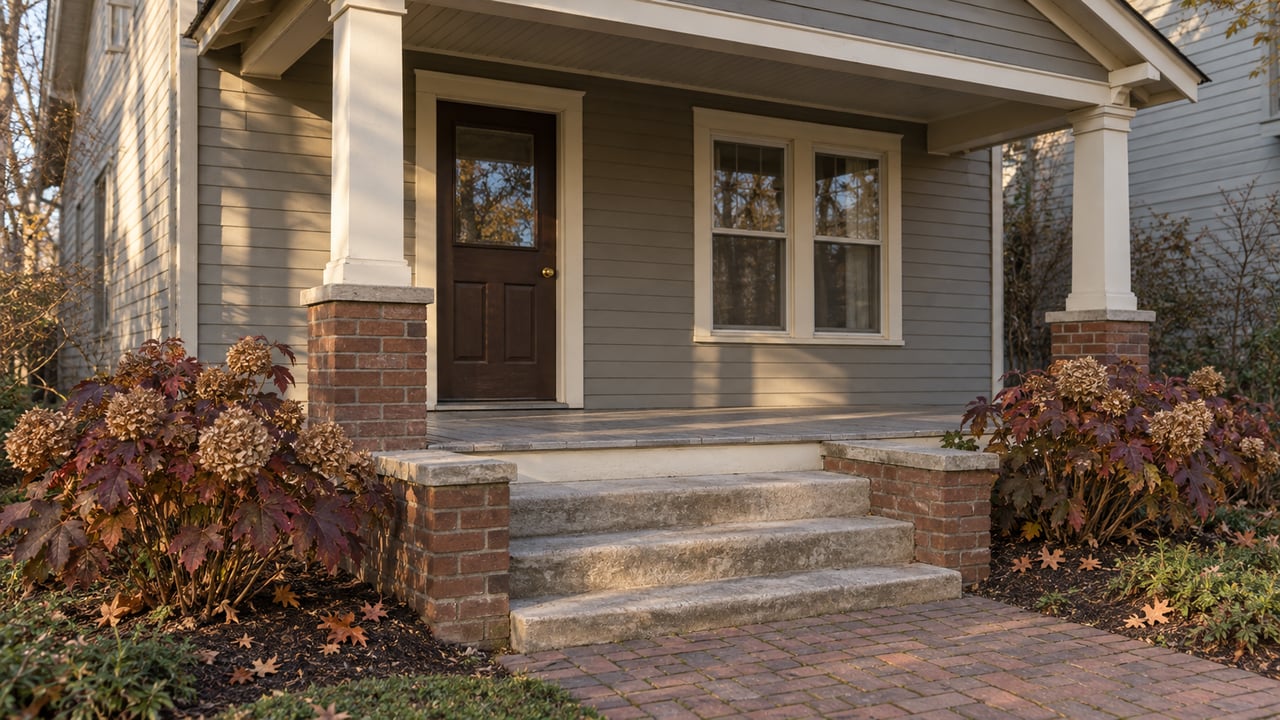
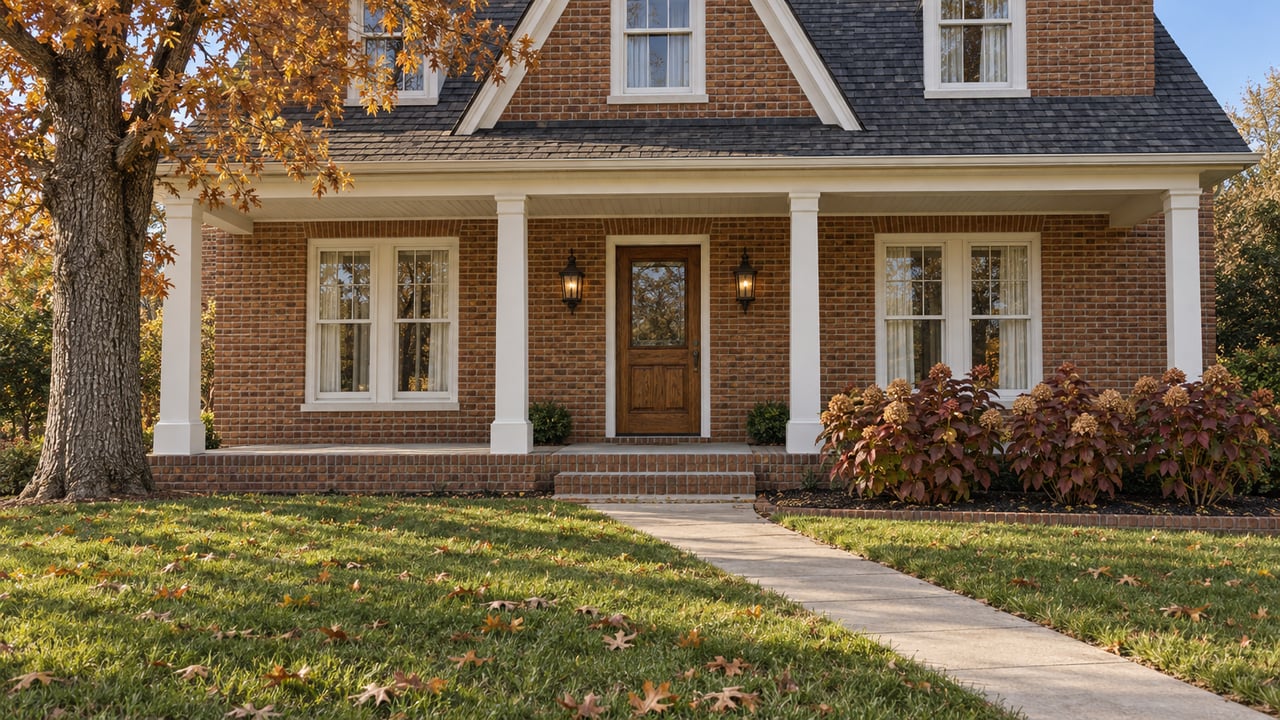
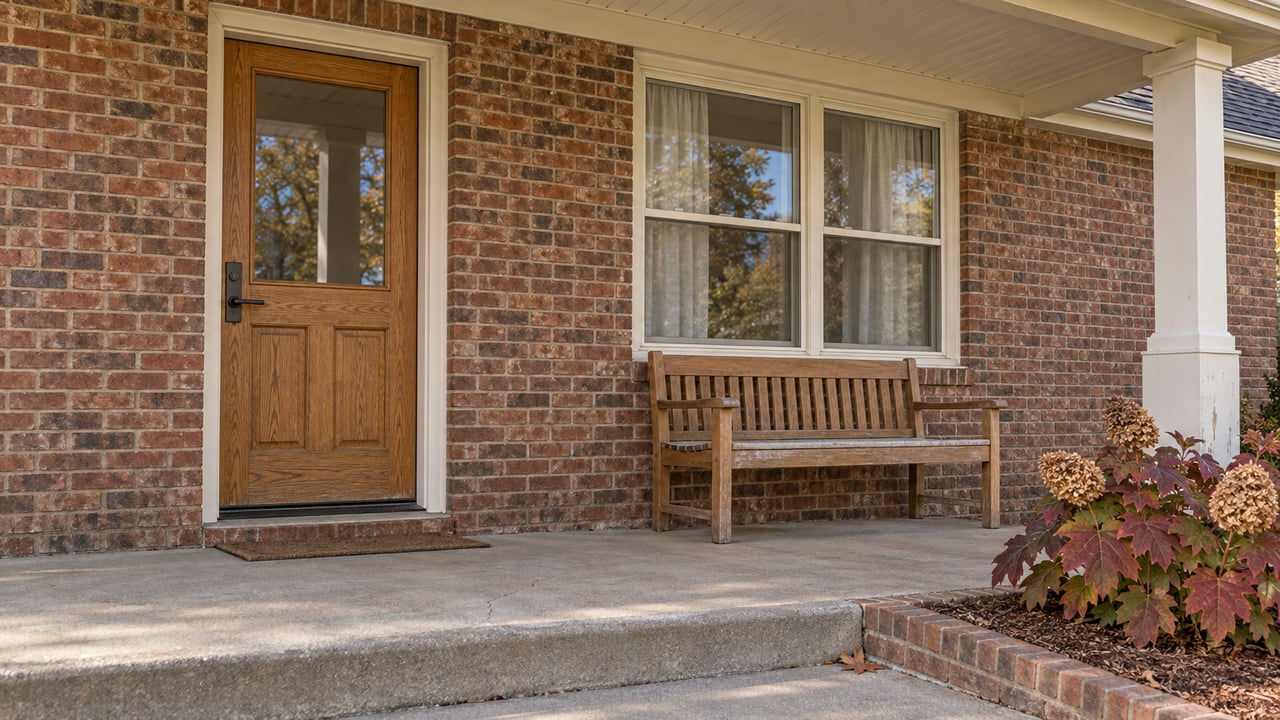
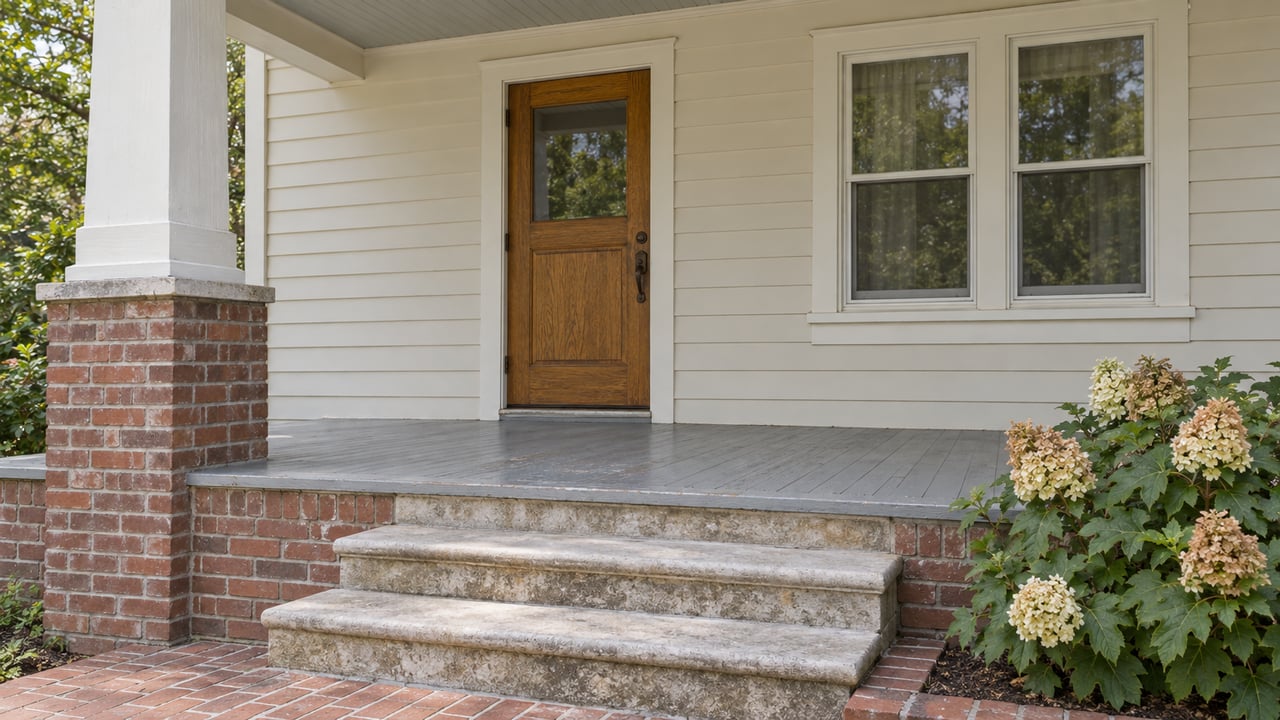
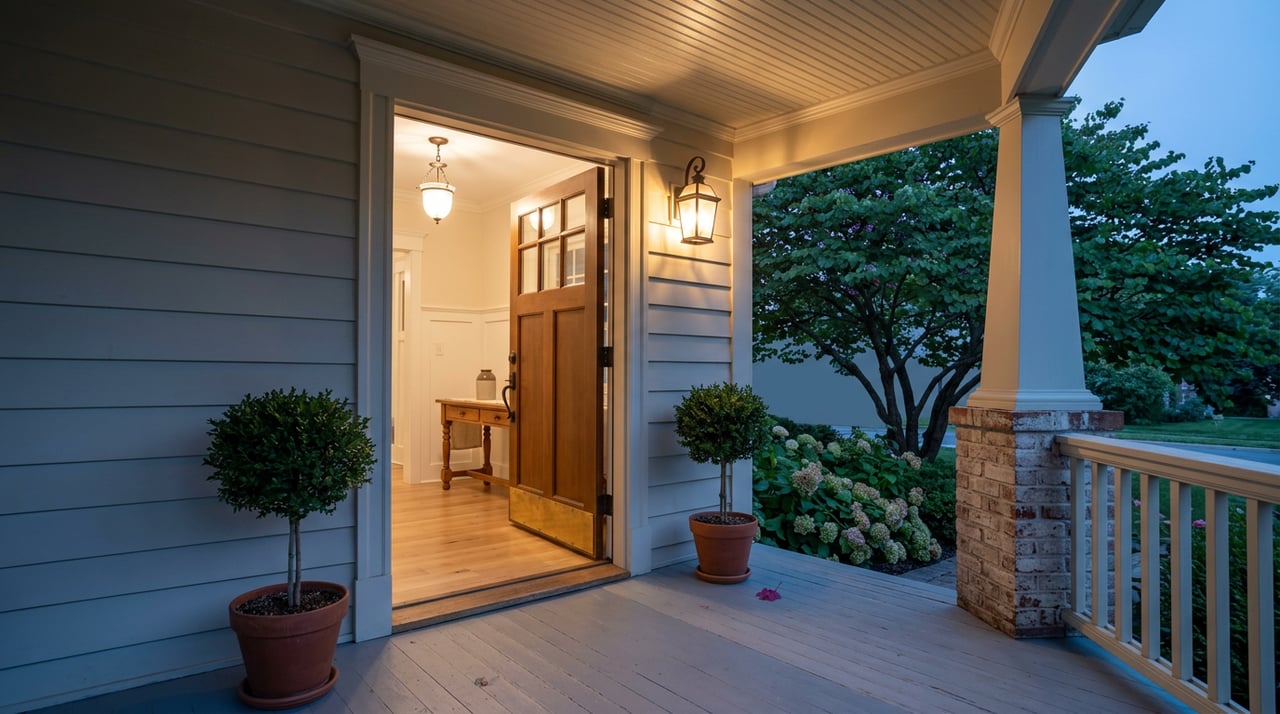
You will see many bungalows, Craftsman cottages, shotgun houses, and small Victorians from about 1900 to 1940. These homes often feature original wood floors, prominent front porches, and narrower lots that are deeper than they are wide. Most are one to two stories and commonly range from roughly 900 to 2,200 square feet.
Common update items include plumbing, older wiring in the oldest houses, HVAC upgrades, and foundation repairs. Many sellers refresh kitchens and baths and document mechanical updates before listing.
New infill and tear-downs
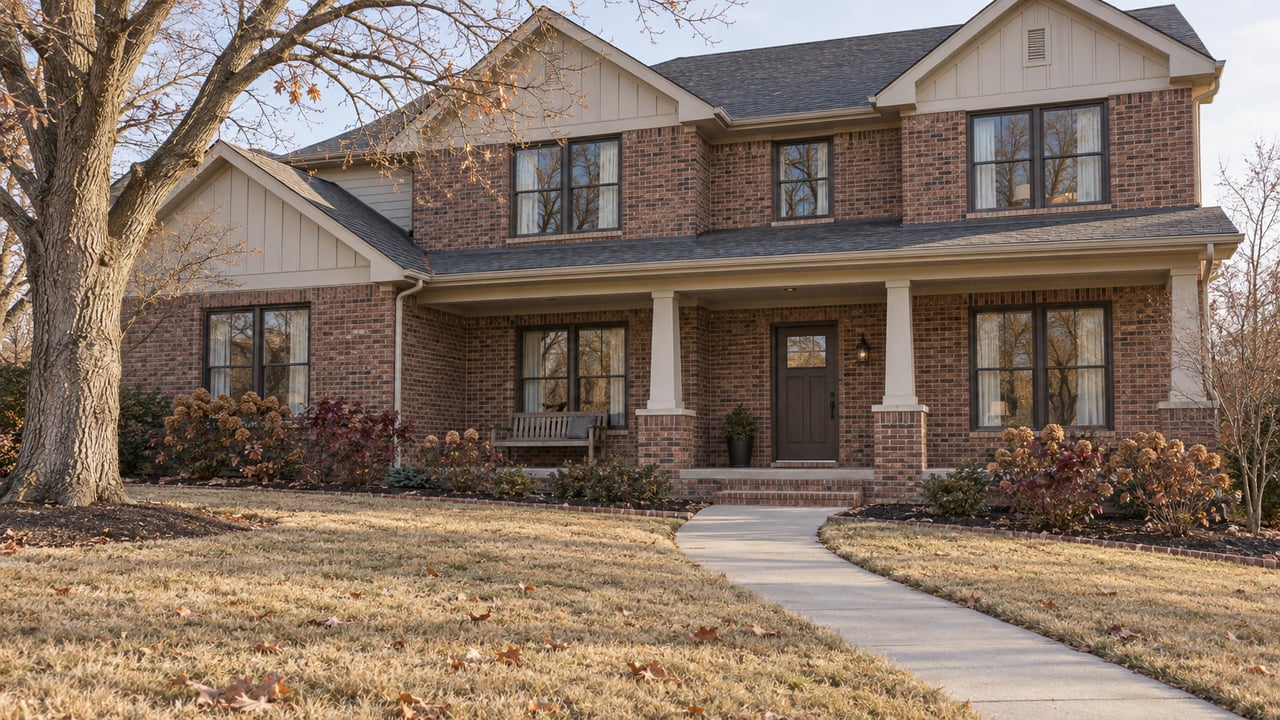
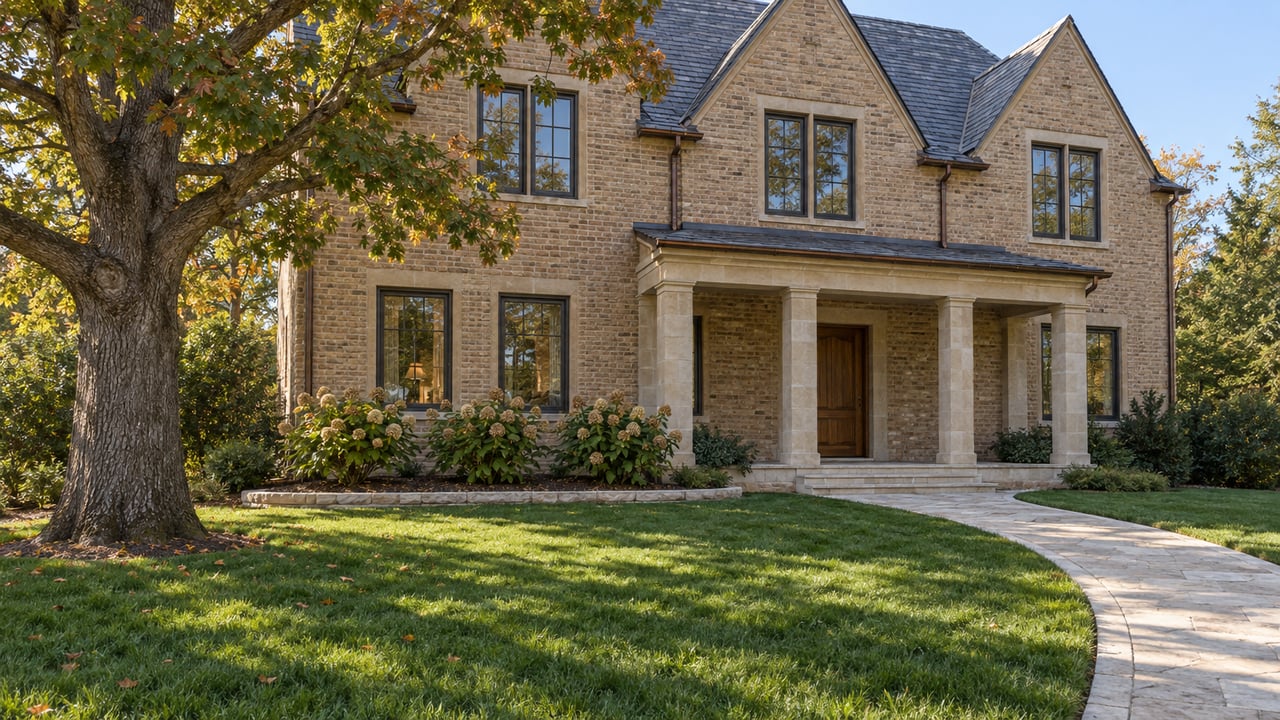
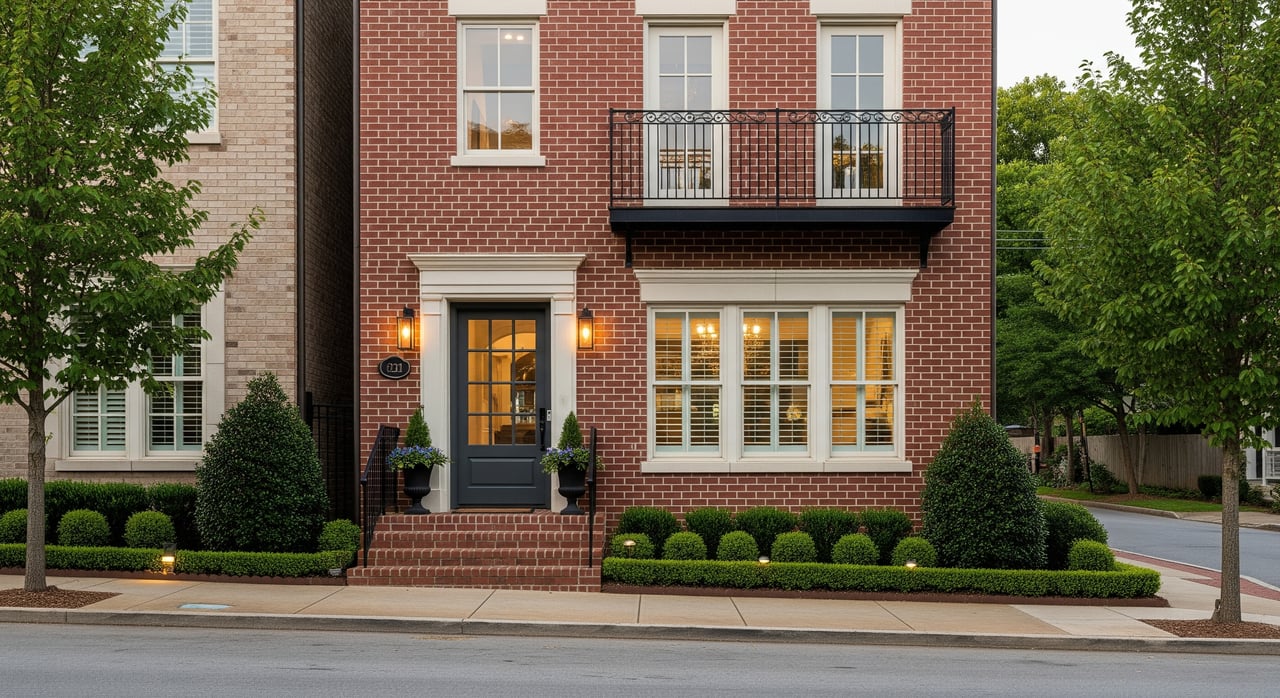
Infill construction is common on original lots. New builds tend to be larger with open-plan layouts and 2 to 3 or more bedrooms, often exceeding 2,000 square feet. You will also notice narrow-lot homes, small-lot clusters, and occasional duplex conversions where zoning allows.
Townhomes, condos, and apartments
Traditional mid or high-rise condos are less common than in downtown. Instead, you will find townhome and condo pockets near redeveloping corridors. Apartment communities, including newer market-rate options, are common along major arterials and near commercial nodes.
Small multi-family and investment options
Duplexes and triplexes exist throughout East Nashville. Some blocks include small multi-family lots or mixed-use properties. Zoning, historic overlays, and neighborhood standards shape what conversions or new builds are possible.
Outdoor space and parking
Older homes may have limited off-street parking or rely on alley access. On-site parking, porches, and usable outdoor space are meaningful selling points. Confirm any plans for garages, sheds, or accessory structures with the city before you buy.
How pricing varies by pocket
The big picture
Since the 2000s, East Nashville has generally appreciated faster than many suburban areas. Proximity to downtown, a strong neighborhood identity, and the amenities around Five Points play a role. In recent years, some walkable pockets can still move quickly, while fringe areas may see longer days on market. New construction often establishes a higher comparable baseline on nearby streets.
Micro-markets snapshot
- Five Points, Lockeland Springs, Inglewood: Higher walkability and access to cafes and retail. Renovated historic homes and updated bungalows are popular and can move quickly.
- Eastwood, Shelby Hills, northern East Nashville: A mix of pricing and home types, including mid-century and modest single-family homes, with steady infill activity.
- Salemtown and nearby edges: Closer to downtown and industrial-to-residential redevelopment corridors, with ongoing rehab and infill pressure.
- Major corridors like Gallatin Pike, Woodland Street, and Shelby Avenue: More commercial and multifamily, with investor interest and opportunities for new construction and smaller condo projects.
If you are comparing areas, focus on recent comps on the same micro-streets and watch the spread between renovated historic homes and newer builds.
What affects value in East Nashville
- Lot scarcity and lot width limit expansions and can push new-build pricing.
- Historic character and intact porches often add appeal, while overlay rules can limit exterior changes.
- Walkability to retail, dining, and parks creates a tangible premium in many cases.
- Commute access and proximity to river crossings influence buyer demand.
Buyer checklist for East Nashville
- Get pre-approved and be ready for competition in high-demand pockets.
- Inspect for older-home issues like lead paint in very old structures, older wiring, galvanized plumbing, and signs of settling.
- Review flood risk, especially near the Cumberland River or creeks. Check FEMA and Davidson County floodplain resources and price out flood insurance if needed.
- Confirm parking and alley access. Some homes have limited off-street options.
- Check zoning on adjacent parcels to understand future infill or multifamily possibilities.
- If the property is in a historic overlay, review design guidelines before planning exterior changes.
Seller game plan for stronger results
- Highlight location benefits, porches and outdoor living, original details, and recent upgrades with receipts.
- Focus renovations on kitchens, baths, and mechanical systems that today’s buyers value.
- Price with care against renovated historic comps and nearby new-build competition. Condition and walkability can swing pricing.
- Complete required Tennessee disclosures and share any known flood or repair history.
Investors and rentals overview
Investor demand is steady in many pockets, supported by a strong renter base. Returns hinge on cap rates and financing costs. Short-term rentals have been popular but are regulated by Metro Nashville, so confirm current rules and licensing before you underwrite a deal.
Risks, rules, and planning to know
- Flooding: Low-lying blocks near the river or creeks may fall within FEMA flood zones. Confirm maps and insurance requirements early.
- Historic overlays: Exterior changes on some blocks require design review and approval. Know what is allowed before you buy or list.
- Zoning and infill: Small-lot subdivisions, duplex rules, and redevelopment can change a block’s feel over time.
- Corridors and traffic: Homes on or near busy arterials may experience more noise and activity than interior streets.
What to do next
If you are early in your search, compare a few micro-markets and walk the blocks you like at different times of day. Ask for a current snapshot of key metrics like median price, price per square foot, inventory, days on market, and the sale-to-list ratio. If you are planning to sell, a pre-list walkthrough can help prioritize updates and staging that match your specific comp set.
Ready for tailored guidance? Reach out to Dawn Cassara for a neighborhood-level plan and a clear path to your next move.
FAQs
What types of homes are most common in East Nashville?
- Primarily historic bungalows, Craftsman cottages, and small Victorians, plus increasing new-build infill, townhomes in select pockets, and some small multi-family.
How do prices vary across East Nashville neighborhoods?
- Pricing ranges by pocket, with renovated historic homes and walkable areas near Five Points and Lockeland Springs often commanding higher premiums than fringe or less updated properties.
Which East Nashville areas offer the most walkability?
- Five Points, Lockeland Springs, and parts of Inglewood tend to offer higher walkability to cafes, retail, and services, with convenience reflected in pricing.
Are homes in East Nashville at higher flood risk?
- Some low-lying blocks near the Cumberland River or creeks are at higher risk; check FEMA and Davidson County floodplain maps and consider insurance when applicable.
Do historic overlays limit renovations in East Nashville?
- Yes, if a property falls within a local historic overlay, exterior changes may require design review and approval, so review guidelines before planning work.
Is East Nashville good for rental or investment property?
- Many blocks show steady rental demand, but returns depend on financing and regulations; verify current short-term rental rules and licensing with Metro Nashville.
What should East Nashville sellers update before listing?
- Prioritize mechanical systems, kitchens and baths, and cosmetic staging that highlights porches and original details while aligning with neighborhood comps.
How much parking can I expect with older homes in East Nashville?
- Many older houses offer limited off-street parking or rely on alleys; verify current parking and explore city options for accessory structures if needed.