Everyday Living In East Nashville
February 5, 2026
Wonder what a typical Tuesday feels like in East Nashville? Picture morning coffee from a neighborhood roaster, a lunchtime walk by the river, and live music after dinner. If you’re considering a move, you’re likely weighing lifestyle, commute, housing style, and practical details like schools and safety. This guide gives you a grounded, day-to-day look at East Nashville and points you to trusted local resources. Let’s dive in.
East Nashville sits just east of the Cumberland River, across from downtown, and blends historic bungalows with newer townhomes and small multifamily buildings. The vibe is eclectic and arts-forward with independent restaurants, boutiques, and music venues clustered around walkable nodes like Five Points. Popular subareas include Five Points, Lockeland Springs, Inglewood, Cleveland Park, Eastland, and the Shelby Park area. Because “East Nashville” is an informal label, block-by-block feel and housing stock can change quickly.
Start your morning at a local café, then head to Shelby Park for a riverfront walk or a jog on the greenway. Midday, grab lunch near Five Points and browse a design studio or vintage shop. Evenings often revolve around neighborhood music, from open mics to singer-songwriter sets, plus a rotation of seasonal markets and community events. Weekends bring family time in parks, local brunch, and casual block parties.
You’ll find independent cafés, neighborhood bakeries, and brunch spots woven into many corners of East Nashville. Five Points offers a dense cluster of restaurants and bars with a strong local identity. Small-plate concepts and creative menus are common, and late-night bites pair easily with live music. If you like a casual, community-minded dining scene, you’ll feel at home exploring new spots each month.
Shelby Park and the adjoining greenway are the area’s signature outdoor anchors, with trails, river views, playgrounds, and sports fields. Many residents run, cycle, or walk dogs along the greenways and neighborhood streets. To learn more about Nashville’s park system and plan a visit, explore the official Metro Parks resources. You’ll also find smaller pocket parks and community spaces sprinkled across sub-neighborhoods.
East Nashville sits close to downtown, so drives into the city center are typically short in light traffic, often under 10 to 15 minutes depending on your exact starting point. WeGo Public Transit operates bus routes along major corridors that connect to downtown; check WeGo Public Transit for current routes and schedules. Walkability is strongest near commercial nodes like Five Points, while some residential stretches are more car-oriented. For a quick sense of walk, transit, and bike options, review area pages on Walk Score.
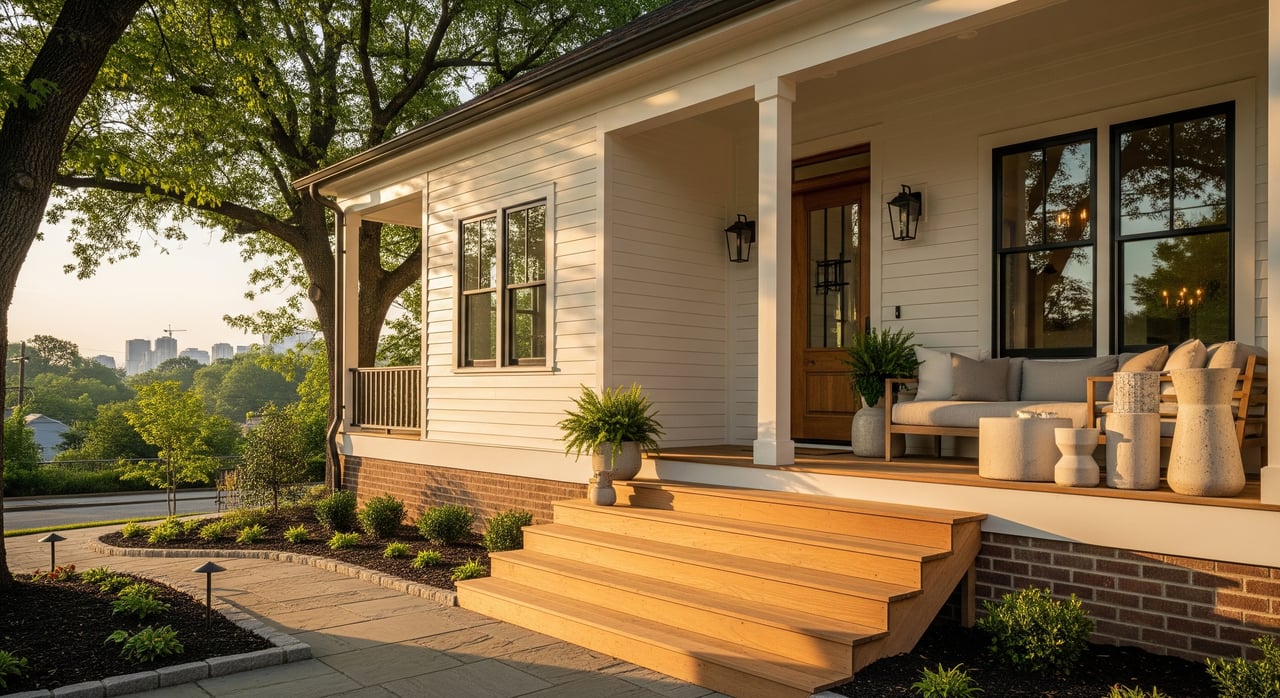
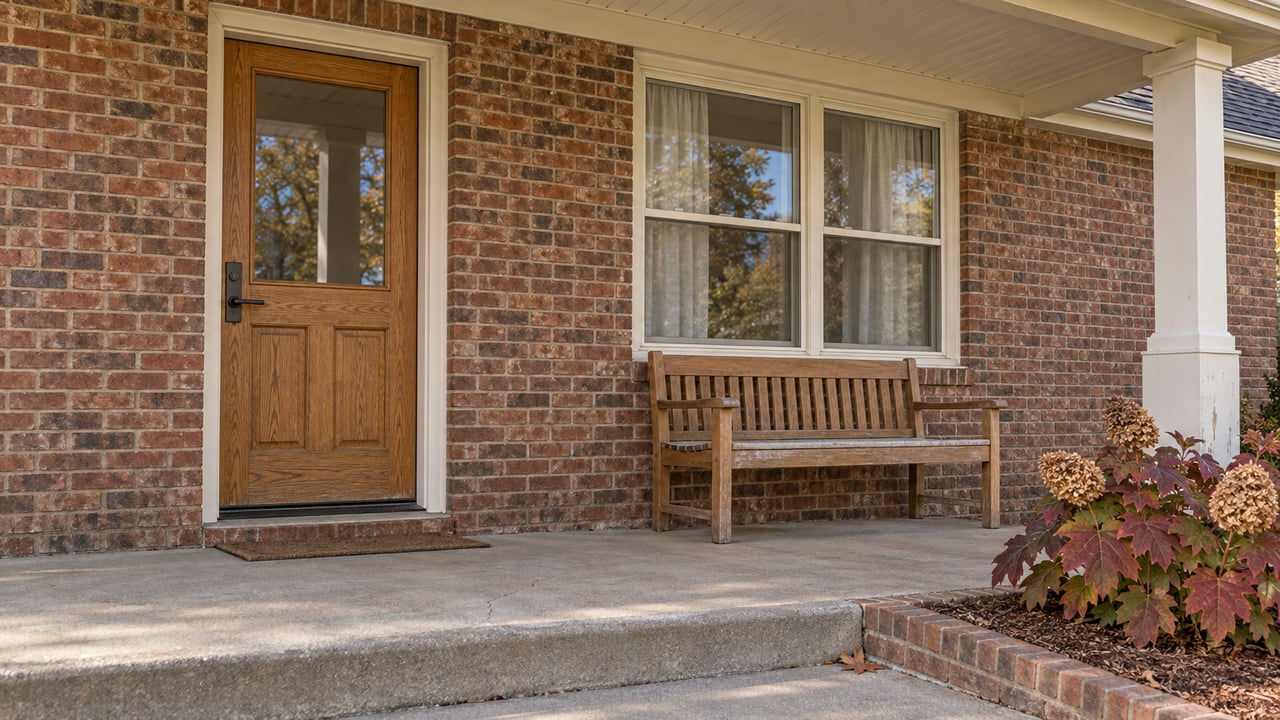
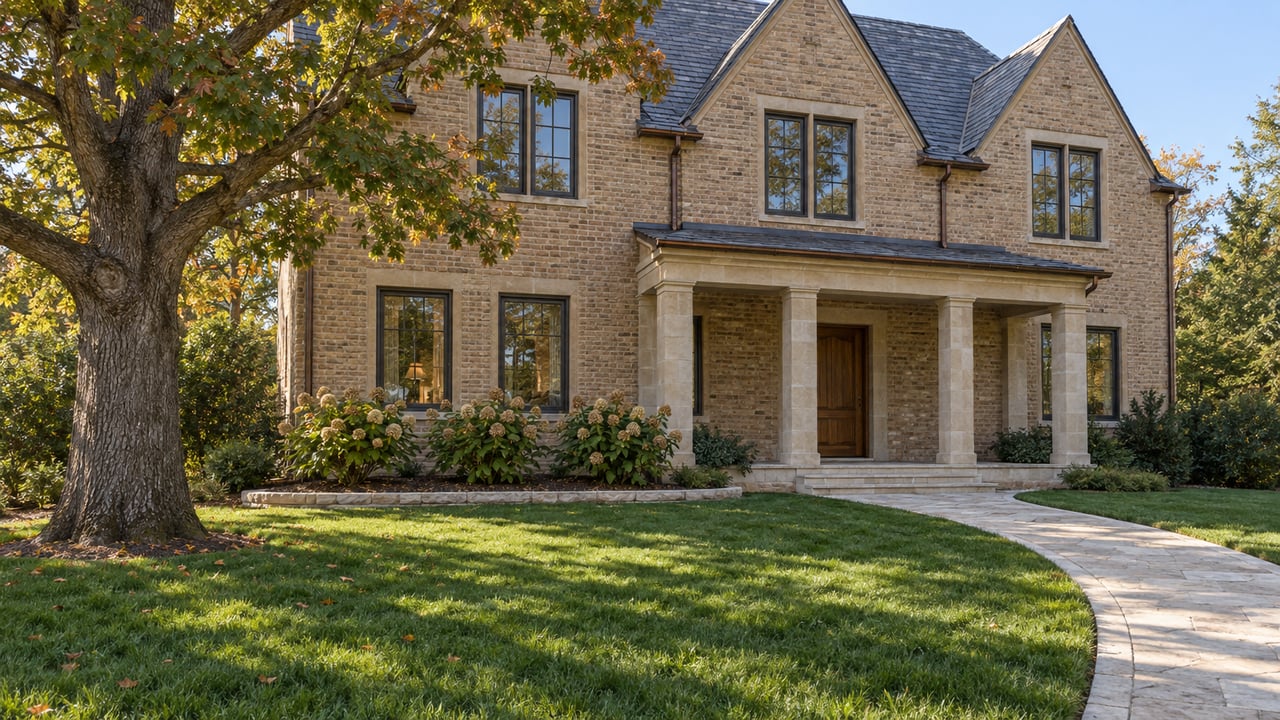
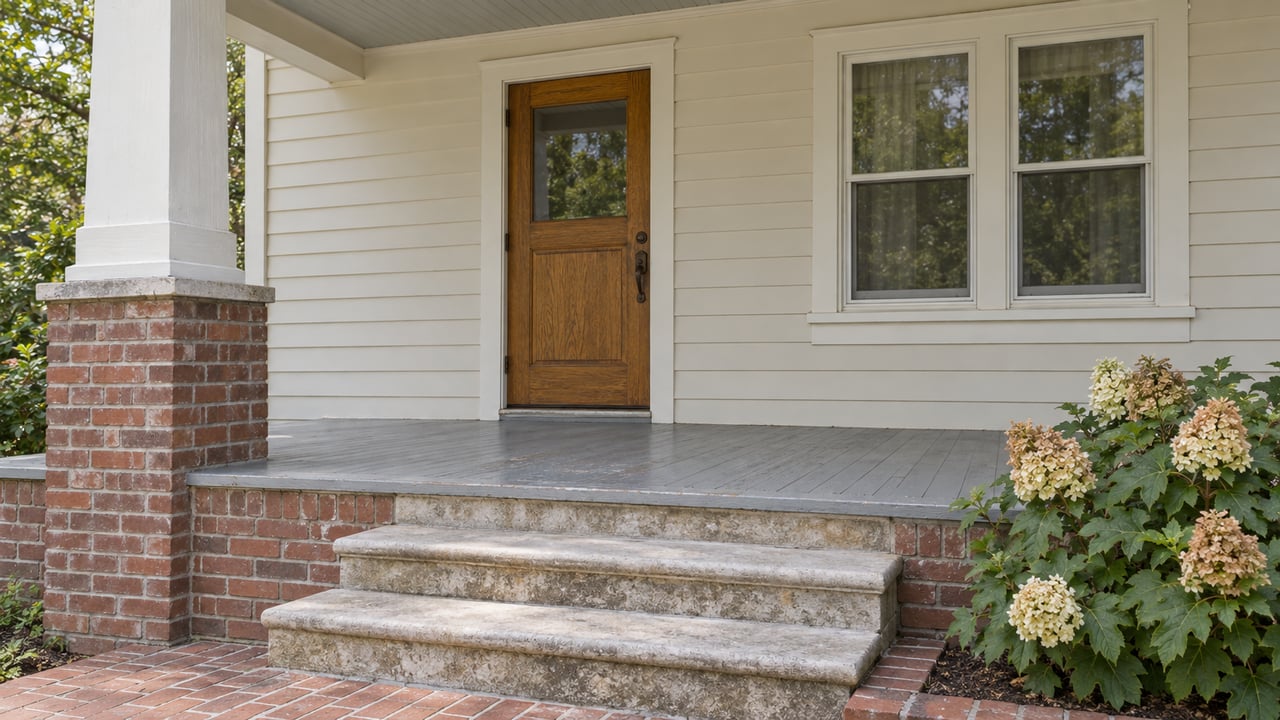
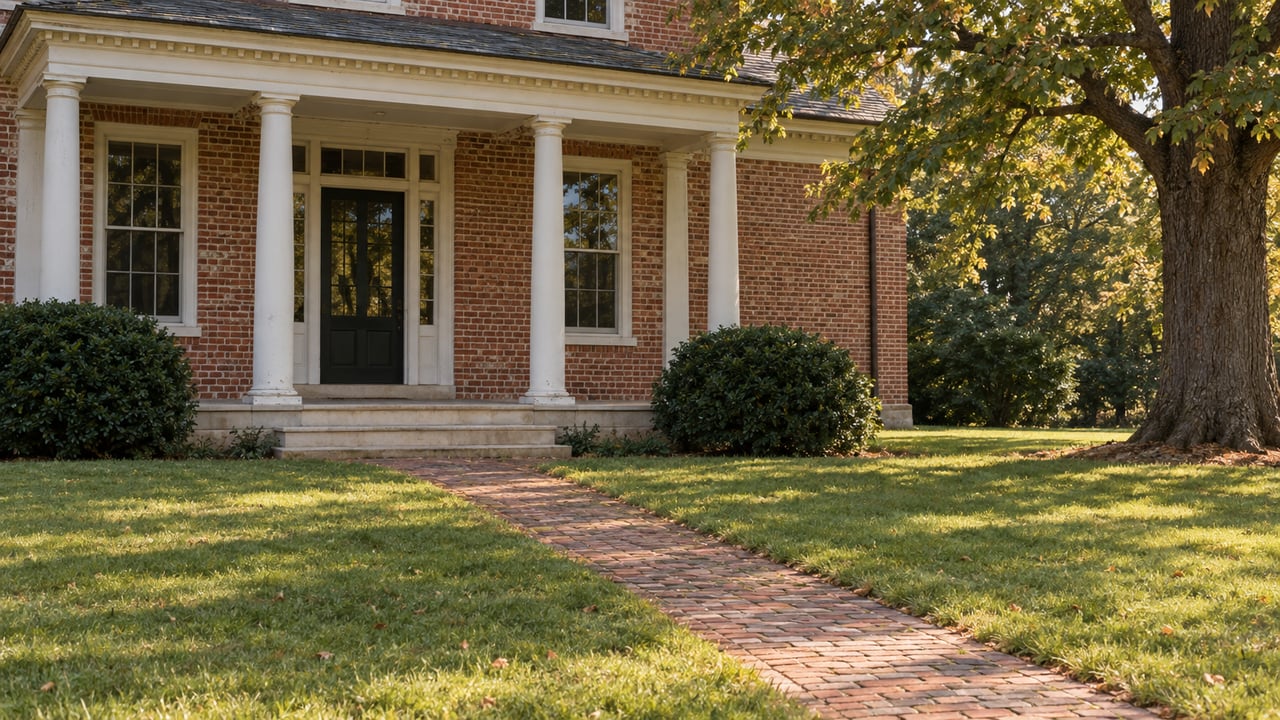
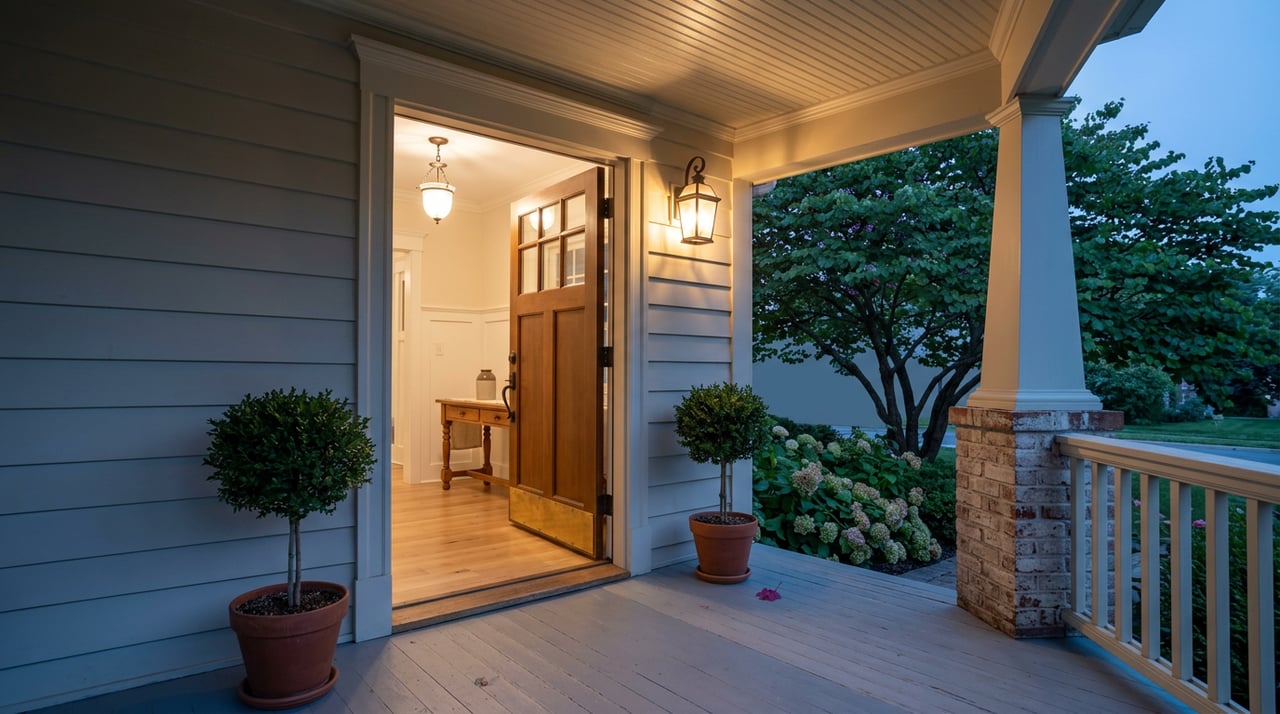
You’ll see historic craftsman bungalows, shotgun homes on some blocks, renovated single-family houses, duplexes, and newer townhomes or small condo buildings. Renovations are common, and infill development continues near commercial corridors. For older homes, plan for careful inspections. Common items to evaluate include foundation and roof conditions, plumbing and electrical updates, and potential issues in very old systems.
Over the past 15 to 20 years, East Nashville has seen strong demand, new development, and rising home values. That revitalization has fueled ongoing conversations about affordability and displacement among long-time residents and housing advocates. If you’re evaluating value, compare sub-neighborhoods, renovation level, and distance to parks or downtown. Entry points for first-time buyers often include newer townhomes or smaller condos that trade some space for location.
Public schools are served by Metro Nashville Public Schools, and there are private and charter options within and near East Nashville. For current school zones, program offerings, and enrollment details, use the official Metro Nashville Public Schools site. Families appreciate access to playgrounds, community centers, and frequent community events that make weekend planning easy.
Safety can vary by block, as in any city neighborhood. Review recent patterns and maps via the Metro Nashville Police Department and speak with neighbors for on-the-ground perspective. Some areas near the river or low-lying pockets may sit in FEMA flood zones; check addresses on the FEMA Flood Map Service Center and consult your insurance agent about coverage. If you plan to rent or operate a short-term rental, review current ordinances and permits on Metro’s planning and codes pages through Nashville’s official site.
Different buyers prioritize different things, and East Nashville can work for a range of lifestyles. Consider where you land among these common profiles:
You might prioritize walkability to cafés, live music, and quick downtown access. Newer townhomes can offer low-maintenance living near the action.
You may value proximity to parks, playgrounds, and community centers while balancing commute times. Look for quieter blocks within walking distance of a neighborhood retail node.
Single-level homes and updated bungalows in calmer pockets can offer comfort near favorite restaurants and greenways without giving up city energy.
Use these mini-experiments to test the fit for your routine:
Choosing a neighborhood is personal. You deserve clear, calm advice tailored to your lifestyle and budget. If you want a neighborhood-first approach, local context on East Nashville’s micro-markets, and a smooth process from search to closing, connect with Dawn Cassara. You’ll get practical guidance, professional marketing, and a partner who listens.
Stay up to date on the latest real estate trends.

Dawn Cassara is dedicated to delivering exceptional real estate experiences with a personalized approach. Her expertise and commitment ensure clients achieve their goals seamlessly.