Inglewood Duplex And Multi Unit Buying Guide
May 28, 2026
If you are thinking about buying a duplex or small multi-unit in Inglewood, you are not just buying a place to live. You are also buying into zoning rules, financing standards, and property details that can shape your monthly costs and your long-term flexibility. That can feel like a lot at first, but the good news is that a smart plan can help you avoid expensive surprises. Let’s walk through what matters most before you buy.
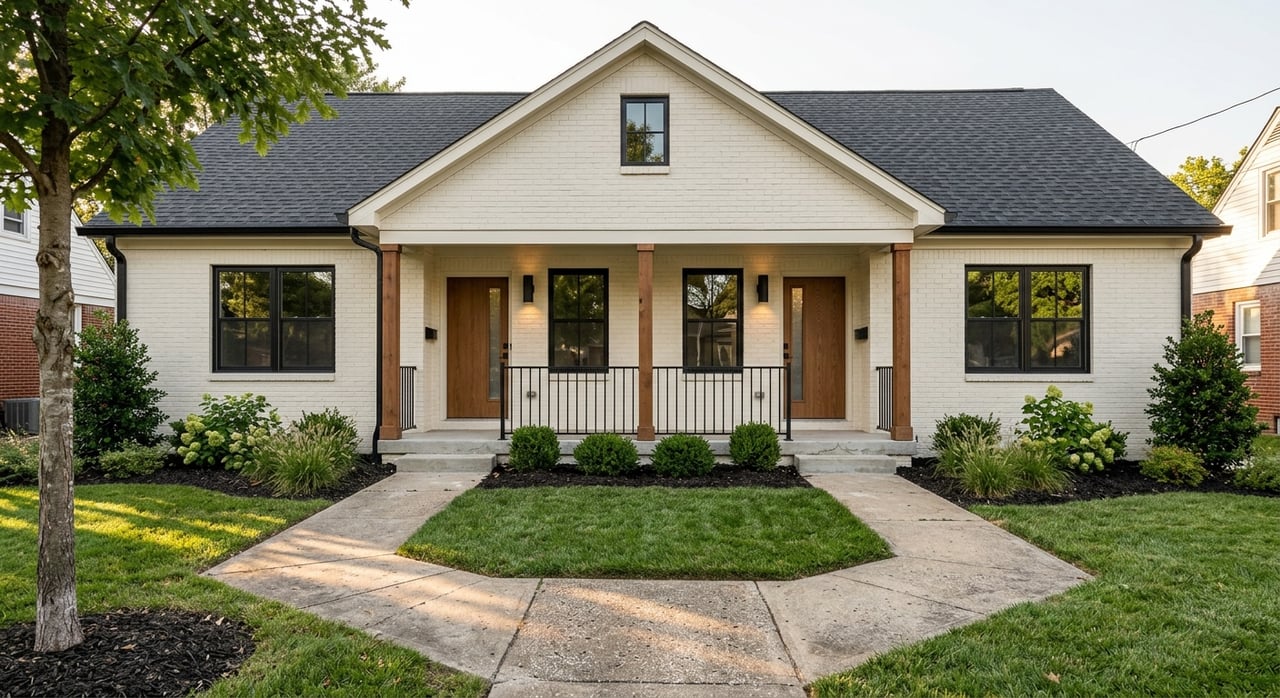
Inglewood is not a one-style market, and that matters when you start searching for duplexes and small multi-unit properties. Local historic district materials describe the area as an early twentieth-century streetcar suburb with single-family houses, duplexes, multi-family residences, and secondary structures like sheds and garages.
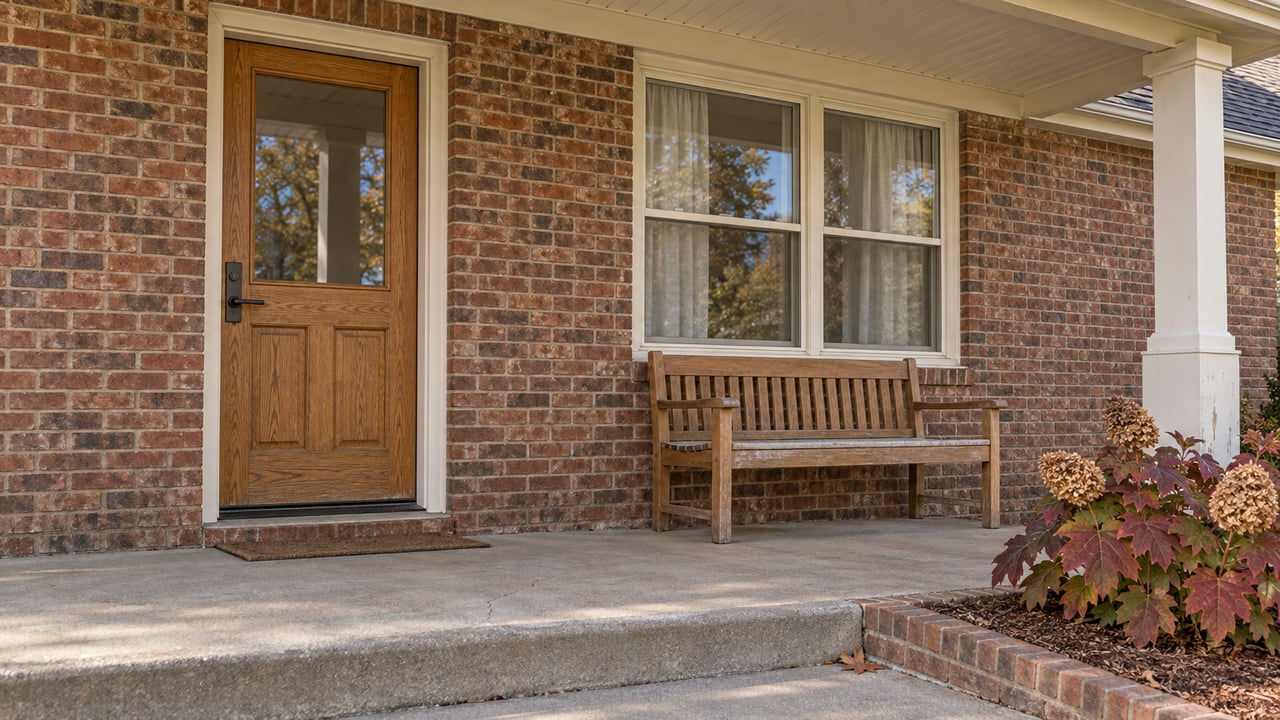
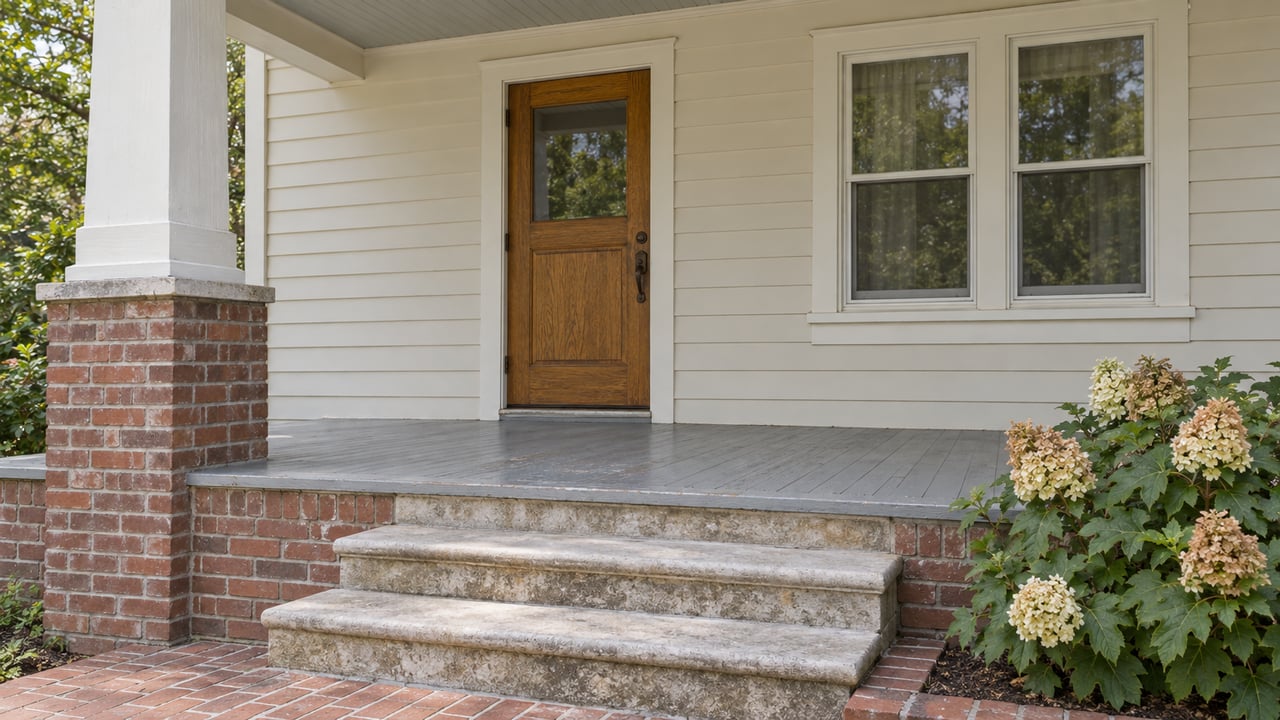
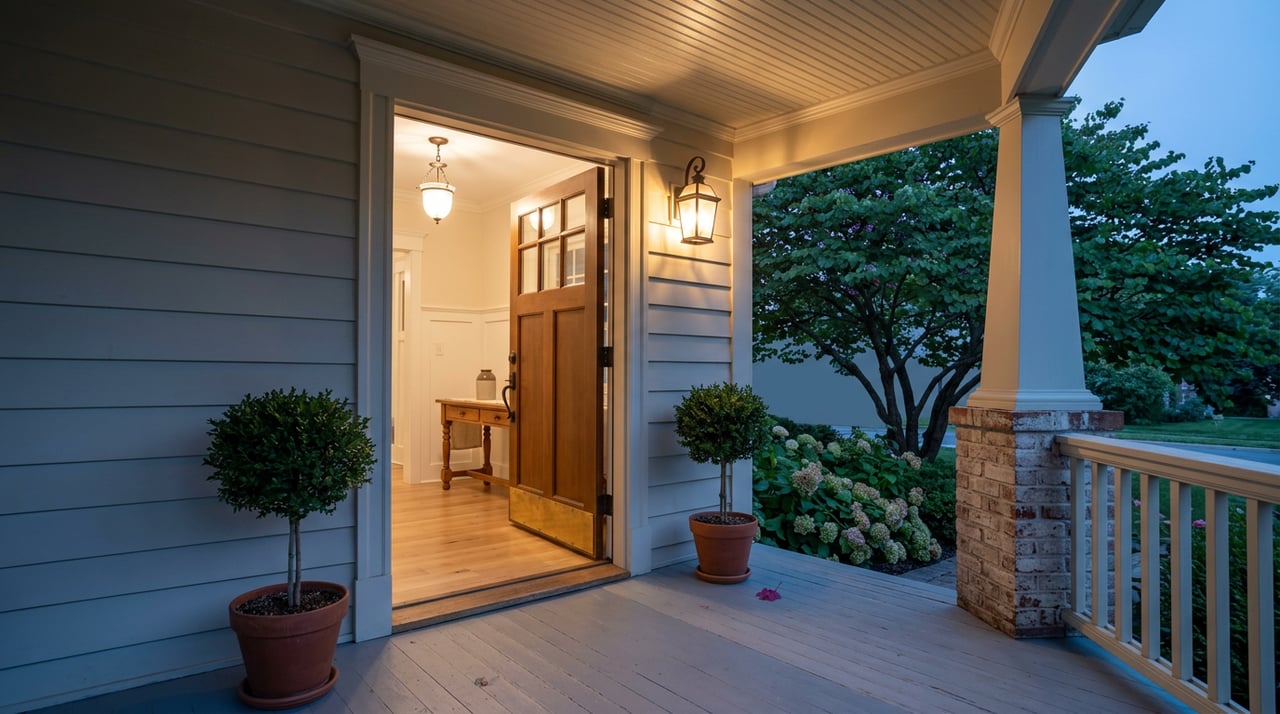
That means your options may include purpose-built duplexes, compact ranch-style duplexes, and older homes that function differently from newer multifamily buildings. In some parts of Inglewood, you may also see modest one-and-one-half-story homes, side-gable or cross-gable rooflines, and porch-focused designs that reflect the area’s historic character.
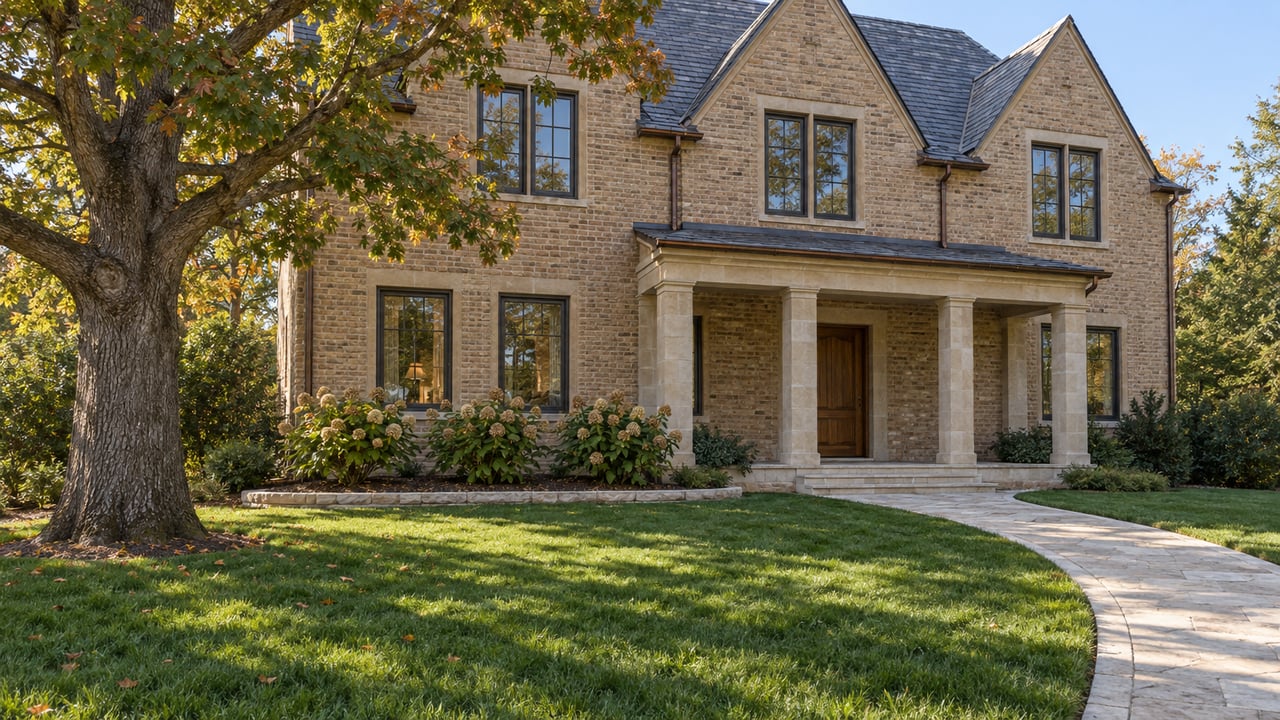
For you as a buyer, the key takeaway is simple: not every income-producing property will look obvious from the street. Some may appear similar to single-family homes, so it is important to confirm exactly what the property legally is before you move forward.
Before you get too attached to a listing, check the parcel-level zoning. Metro Nashville makes clear that zoning is specific to each parcel, and the permitted use depends on the current zoning district, land-use table, district standards, and any applicable overlay.
In practical terms, that means a listing description is not enough. If a property is marketed as a duplex, triplex, or income-producing opportunity, you should verify the legal unit count, setbacks, and whether any overlay applies to that exact parcel.
Some properties in the area may also be within the Inglewood Place neighborhood conservation zoning overlay district. If so, exterior changes, additions, or infill work may face additional design review. This is especially important if your plan includes renovations right after closing.
One of the easiest mistakes buyers make is assuming every extra unit works the same way. In Nashville, a detached accessory dwelling unit, often called a DADU, is a separate use with different development requirements. It is not the same thing as a duplex.
So if you are looking at a property with a garage apartment, detached cottage, or basement setup, do not assume it qualifies as a duplex or legal second unit. You will want to confirm how the property is classified and whether that use is permitted under current zoning and code rules.
This step matters for financing, insurance, resale, and any future renovation plans. A property can look flexible on paper but create real issues later if the unit setup is not clearly documented.
A finished-looking lower level or converted outbuilding can be appealing, especially if you hope to offset your mortgage with rental income. But appearance alone does not prove legal use.
Metro’s permit guidance states that owners remain responsible for complying with zoning, building, and trades requirements. That means a second kitchen, separate entrance, or updated detached structure does not automatically mean the unit was properly permitted.
If your buying decision depends on that extra space functioning as an income-producing unit, due diligence is critical. You want to know what is legal before you close, not after.
Financing a duplex or small multi-unit usually looks different from financing a standard single-family home. The property type, your occupancy plan, and how rental income is documented can all affect your loan options.
Here are some of the most common paths buyers compare for one- to four-unit properties:
FHA financing can be used for one- to four-unit owner-occupied properties. HUD states that the down payment can be as low as 3.5 percent of the purchase price.
For many buyers, this makes FHA a practical option if you want to live in one unit and rent out the others. It can be especially appealing if you are trying to enter the market with a lower upfront cash requirement.
VA-backed financing can also work for a duplex, triplex, or fourplex if you will live in one of the units. The VA says eligible buyers can use this benefit to purchase a home with up to four units.
The usual advantages can include no down payment, no PMI, and no VA minimum credit score, though lenders may set their own standards. The VA also requires an appraisal and strongly recommends a full home inspection.
Conventional loans for two- to four-unit properties are often more conservative than single-family financing. Fannie Mae notes that eligible HomeReady transactions can allow a 3 percent minimum borrower contribution on two- to four-unit principal residences, and DU commonly requires six months of reserves for these purchases.
Freddie Mac also applies tighter standards for two- to four-unit primary residences. Its guidance states that these loans generally require a minimum indicator score of 620, and manually underwritten loans have a 45 percent maximum debt-to-income ratio.
If your loan approval depends on projected rent from the other unit or units, paperwork becomes very important. Both Fannie Mae and Freddie Mac have specific documentation rules for rental income on two- to four-unit properties.
That often means the lender may want to see items such as existing leases, market-rent support, or a clean rent roll. These files can directly affect whether the income counts for qualification and how much buying power you actually have.
It is smart to ask early what your lender will require for the exact property type you want. That can help you shop with a realistic budget and avoid surprises during underwriting.
A small multi-unit should be evaluated like both a home and an income property. You are not only looking at layout and condition. You are also looking at legality, documentation, and how the property fits your financing plan.
Here are the due diligence items that deserve extra attention:
This process may feel more detailed than a typical home purchase, but it can protect you from buying into permit issues or underwriting problems.
If part of your strategy involves short-term rental income, you need to understand Nashville’s STRP rules before you buy. Under the Metro ordinance, Type 1 permits are for owner-occupied units only.
Type 2 permits can apply to single-family, duplex, and non-conforming triplex or quadplex units in residential zoning districts. Metro also limits Type 2 permits to no more than 3 percent of the single-family or two-family residential units within each census tract and allows only one permit per lot.
That means short-term rental potential should never be treated as automatic. If a property only works for you because of STR income, you need to confirm what is currently possible under the rules for that parcel and census tract.
Many buyers see value in adding or improving usable space after closing. In Inglewood, that can be a smart long-term move, but only if the work aligns with Metro requirements.
If you plan to convert unfinished space, build a new accessory unit, or rework the layout, budget time for permits and code review. Nashville’s guidance makes clear that accessory units are regulated separately and that owners are responsible for meeting zoning and building rules.
If the property is in the Inglewood Place overlay, exterior work may also need additional design review. So your renovation timeline should account for more than just contractor availability.
When you buy a duplex or small multi-unit, it helps to think about the next buyer from day one. The safest resale path is usually a property with a clear legal unit count, broad financing appeal, and improvements that fit the neighborhood context.
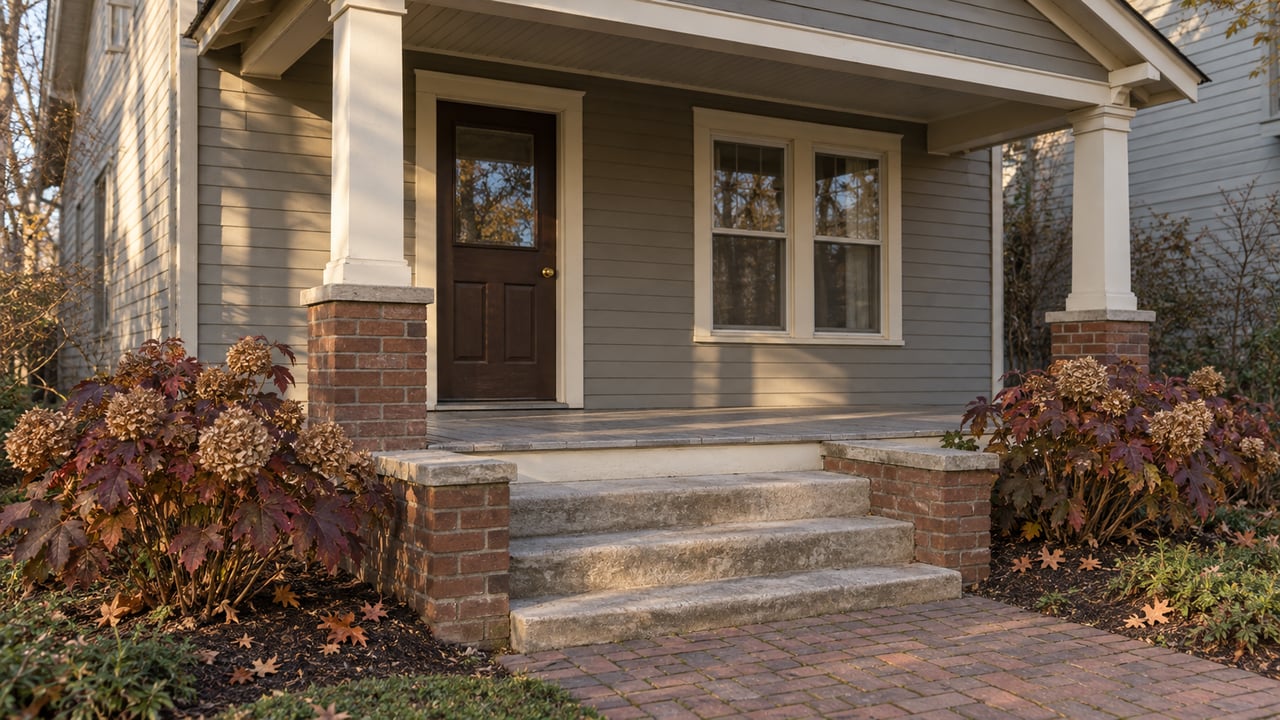
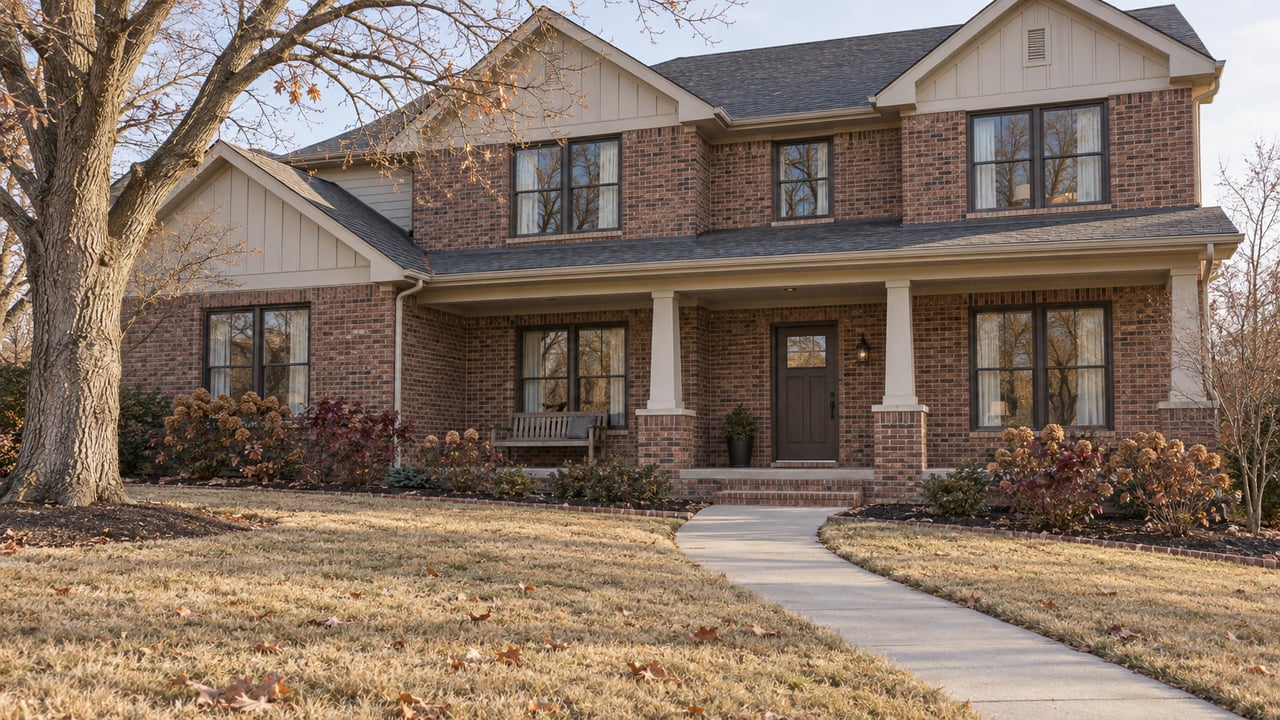
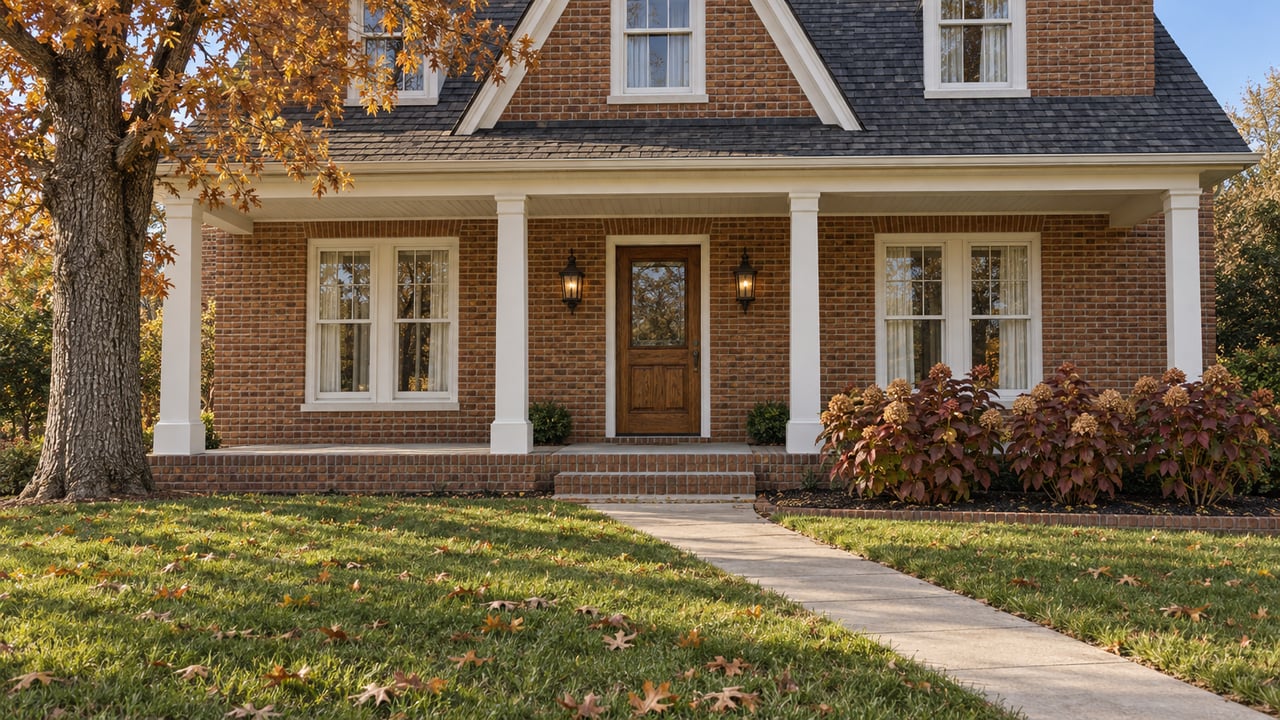
In Inglewood Place, local guidelines identify modest scale, common roof forms, and porch-oriented streetscapes as characteristic features. Properties that fit this established pattern may feel more in step with the area over time.
Just as important, documented legality tends to support resale more than aggressive income claims that are not backed up by permits, zoning, or lending standards. A clean, understandable property story is often easier to finance and easier to sell.
If you are serious about buying a duplex or multi-unit in Inglewood, the goal is not just finding a property with extra doors. It is finding one that works for your budget, your financing, your intended use, and your future plans.
That means slowing down long enough to verify the details that matter most. With the right guidance, you can sort through zoning questions, compare financing paths, and focus on properties that make sense both now and later.
If you want help evaluating duplex and multi-unit opportunities in Inglewood or anywhere in the Nashville area, Dawn Cassara offers local, relationship-first guidance to help you buy with clarity and confidence.
Stay up to date on the latest real estate trends.

Dawn Cassara is dedicated to delivering exceptional real estate experiences with a personalized approach. Her expertise and commitment ensure clients achieve their goals seamlessly.