Inglewood Home Styles From Cottages To New Builds
June 25, 2026
Wondering what kind of home you will actually find in Inglewood? That is a fair question, because this part of Nashville is not defined by one look or one era. Inglewood blends early cottages and bungalows, postwar ranches, and newer construction, so the right fit often comes down to how you want to live, what level of upkeep feels comfortable, and how much character matters to you. If you are trying to sort through the options, this guide will help you understand what makes each style distinct and what to watch for as you compare homes. Let’s dive in.
Inglewood is best understood as a layered East Nashville neighborhood, not a one-period subdivision. Metro historic documentation notes that Inglewood Place developed from 1909 to 1966 and remains the oldest intact early-twentieth-century designed streetcar suburb in Inglewood.
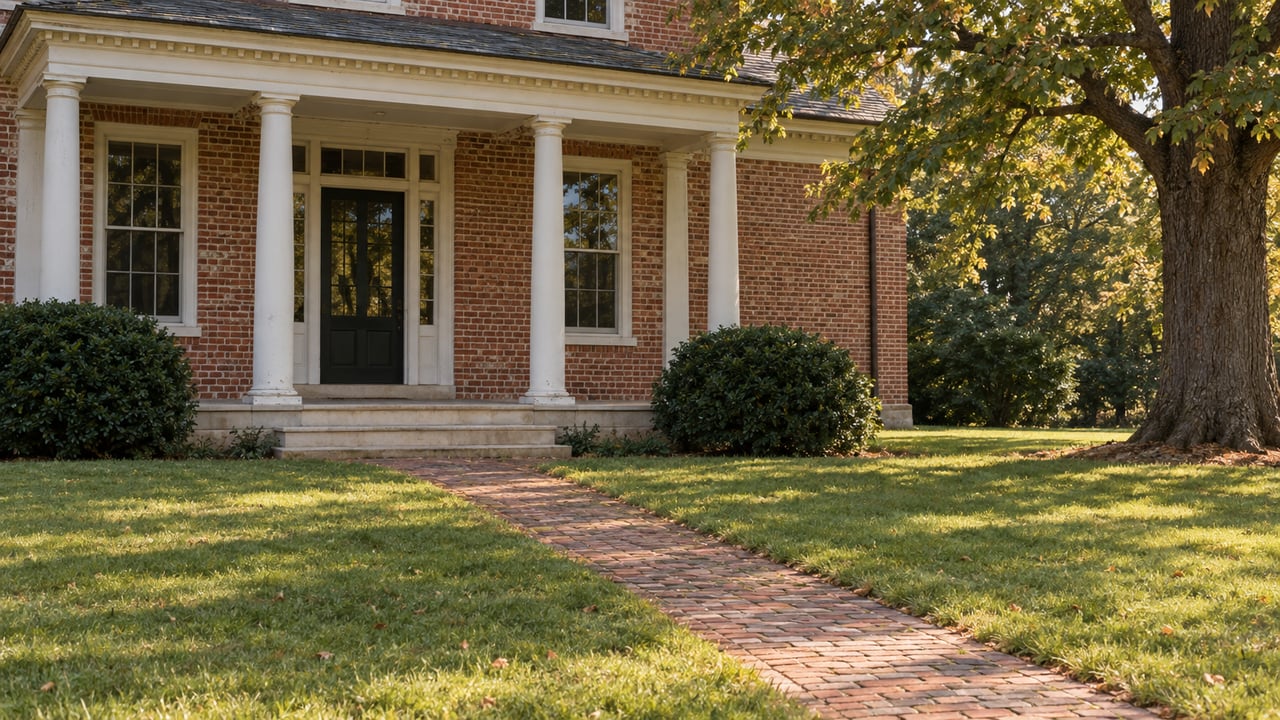
That long development timeline explains why you can see several home styles within a relatively small area. The neighborhood mix includes single-family homes, duplexes, multi-family residences, and secondary structures, with common styles such as Craftsman, English Cottage Revival, Colonial Revival, and Tudor Revival.
In practical terms, many buyers experience Inglewood as a place where older porch-forward homes, simpler mid-century houses, and newer infill all share the map. That variety is part of the appeal, especially if you want options beyond a one-style neighborhood.
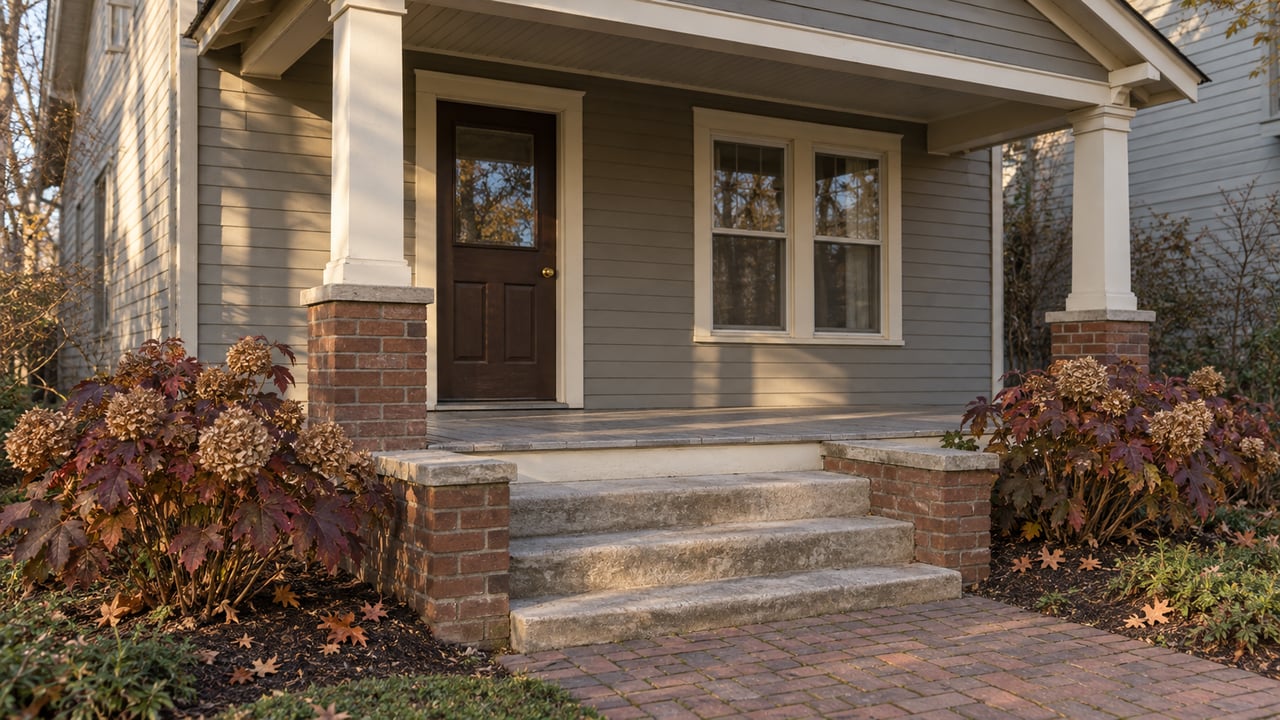
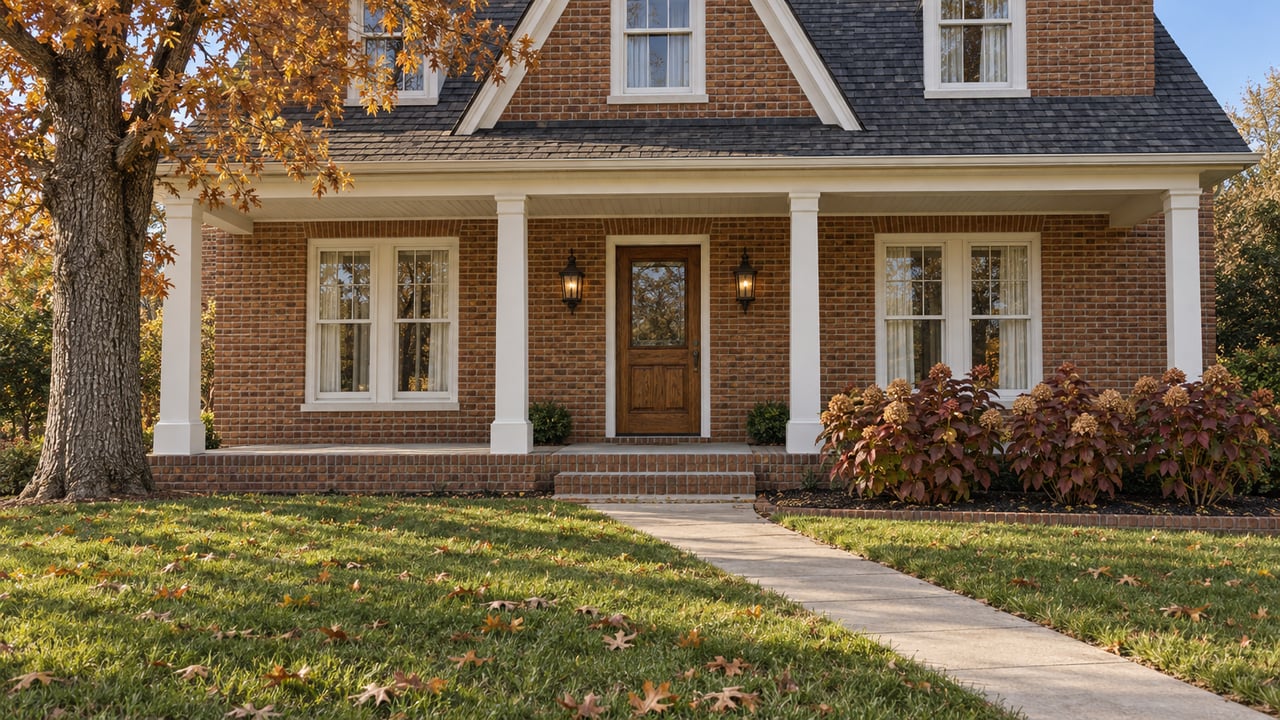
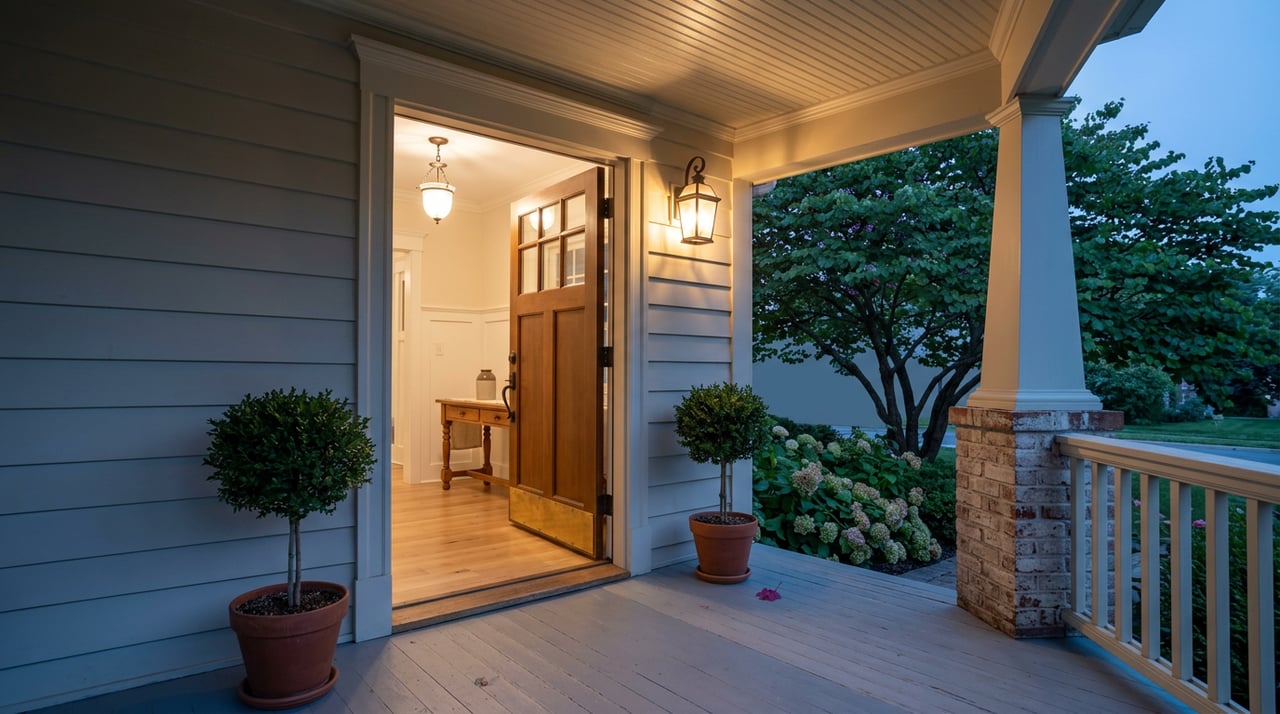
If you picture an iconic Inglewood home, there is a good chance you are thinking of a bungalow. Metro describes Nashville bungalows as one- or one-and-a-half-story homes with large front porches, low-pitched roofs, wide eaves, and square porch columns.
These homes were designed for narrow, deep lots, so the front of the house plays a big role in curb appeal. You will often notice smaller front yards, larger rear yards, and limited side-yard space compared with newer suburban layouts.
Inside, bungalows tend to feel connected to the street and porch life outside. Common features include living rooms near the front entry, built-ins, exposed beams, and simple fireplaces that give the home warmth without a lot of extra ornament.
Inglewood also includes many mid-century cottages, often described by Metro as Minimal Traditional homes. These are usually compact one- to one-and-a-half-story houses with simple exteriors and practical layouts.
You may also hear these homes described as cottage-style, FHA houses, or GI houses in Nashville’s postwar housing context. Their floor plans usually separate public spaces from bedrooms, which can make even a smaller home feel organized and functional.
For many buyers, cottages hit a sweet spot. They often offer older-home charm without some of the extra detailing and maintenance demands that can come with a more decorative historic property.
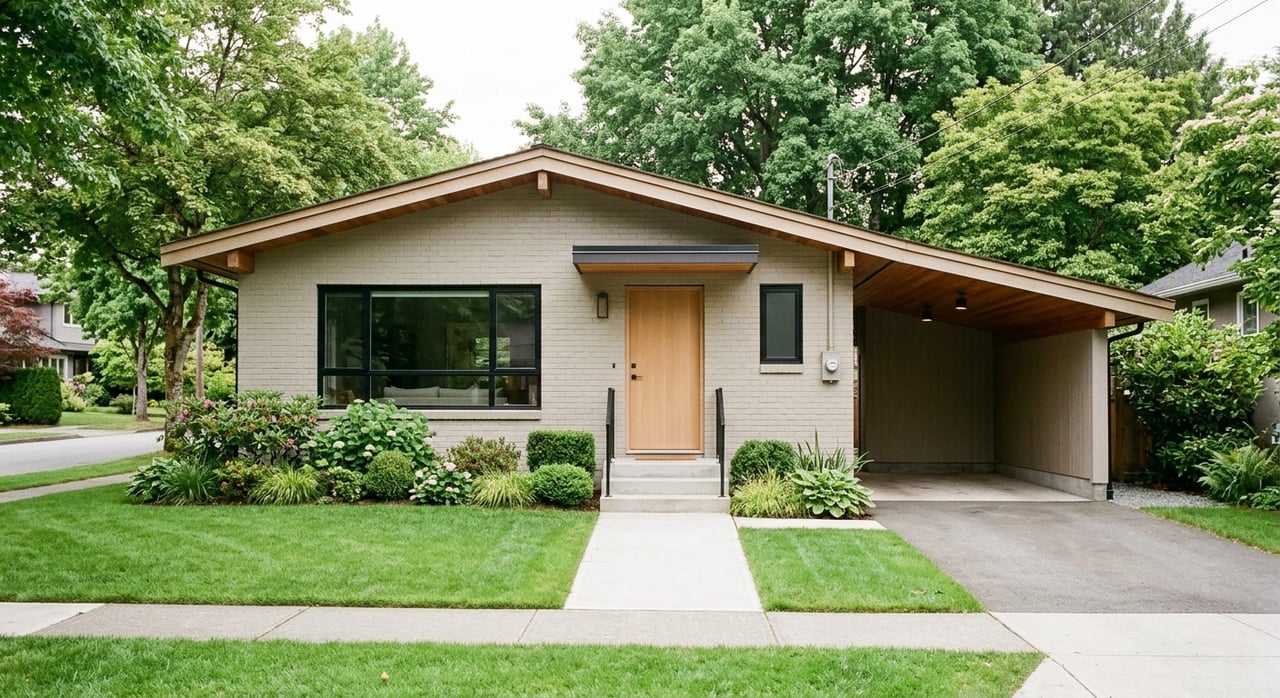
If you prefer a wider footprint and easier one-level living, postwar ranch homes are another key part of the Inglewood mix. Metro describes these homes as generally one-story, horizontal, and broad-faced, often with low-pitched roofs, picture windows, and carports or garages.
Early ranch interiors often include a living-dining room, an open kitchen, two to three bedrooms, and one bath. Later versions may offer more separation between living areas and private spaces, which can appeal to buyers who want a little more flexibility in how rooms are used.
Ranches usually feel less ornate than bungalows, but that simplicity can be a real advantage. If you want straightforward upkeep, fewer stairs, and a practical layout, a ranch may be worth a close look.
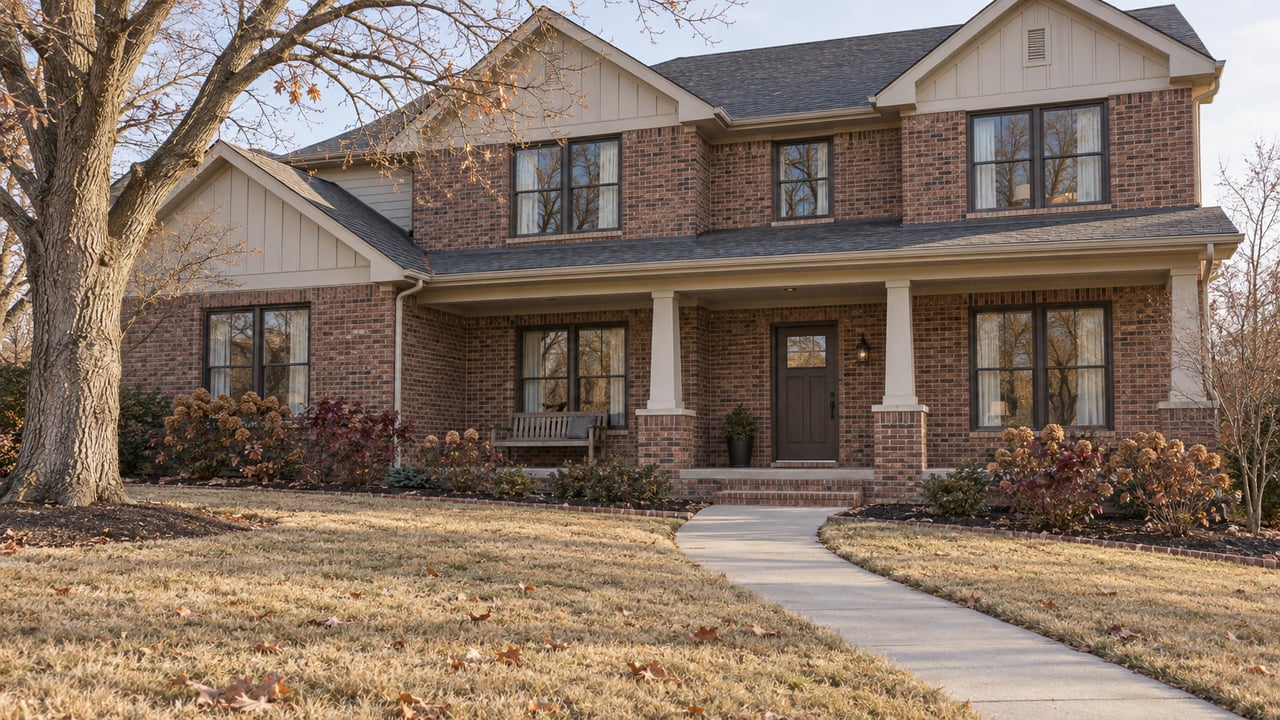
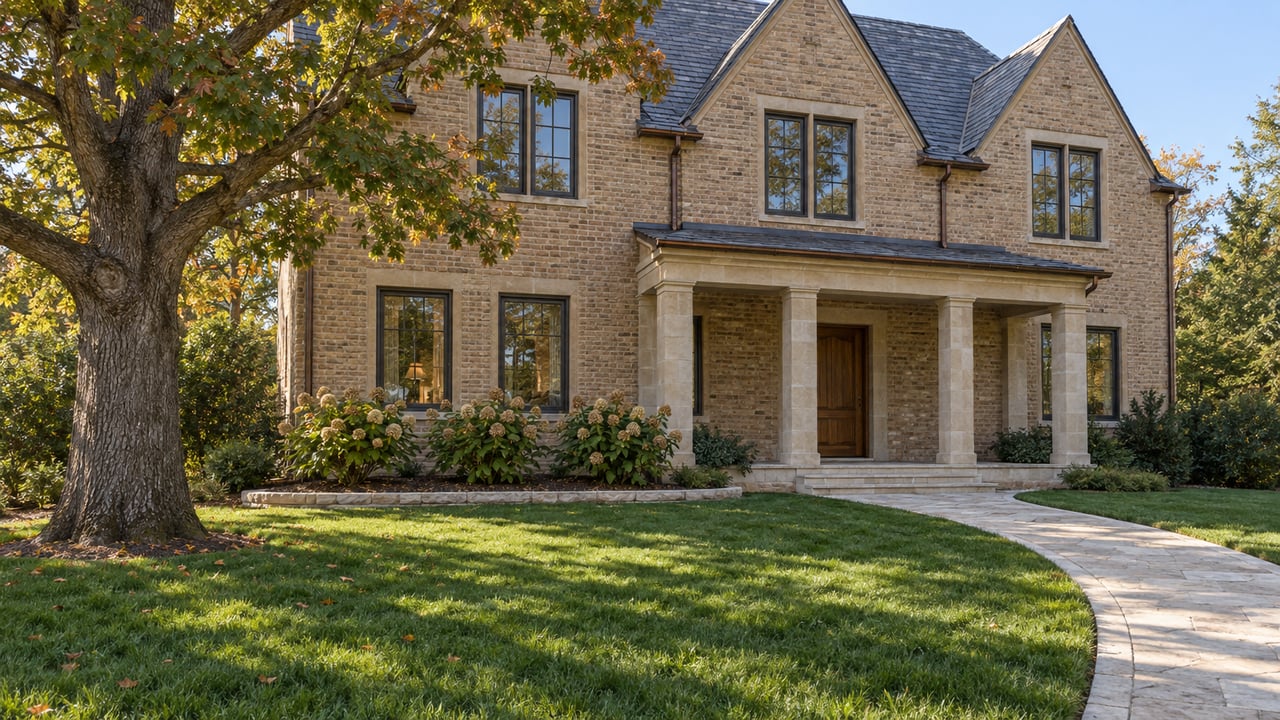
New construction is part of today’s Inglewood housing mix, not an outlier. That matters if you love the location but want newer systems, more open interiors, and less immediate renovation work.
Metro’s historic-zoning handbook notes that new infill in historic contexts should respect scale, porch depth, window proportions, eave overhang, and roof pitch rather than literally copy older homes. In other words, the best new builds tend to feel compatible with the block without pretending to be historic replicas.
Current listings show that new construction can span a broad price range. The research report notes examples from a median asking price near $600,000 up to a $1.175 million new build on Pinewood Road.
Inglewood’s older bungalow-era planning still influences how many homes feel today. Metro’s bungalow guide notes that these historic Nashville suburbs were often set along curvilinear roads with a strong tree-and-yard character.
Because many older lots were narrow and deep, homes often feel street-oriented and porch-forward. That can create a very different experience from newer subdivisions where garages and wider lot widths dominate the front view.
Recent listing examples suggest many current parcels are around a quarter acre or slightly more, with examples around 0.27, 0.29, and 0.34 acres. Still, lot feel can vary a lot from one block to the next, so it helps to look beyond the square footage and pay attention to how the home sits on the site.
In a neighborhood with older housing stock, renovations matter. The research report notes that common update projects include kitchens, baths, roofs, HVAC, paint, and added square footage.
That does not mean every renovation adds value in the same way. Metro rehab guidance says rear additions are generally preferable to changes that compromise the main street-facing façade, and it cautions that porch enclosures, overly literal historic replicas, and mismatched infill can hurt the character of both the home and the street.
If you are buying a renovated home, it is smart to look at both the visible finishes and the overall design choices. A polished kitchen is great, but how the addition, porch, roofline, and front elevation work together can matter just as much in a neighborhood like Inglewood.
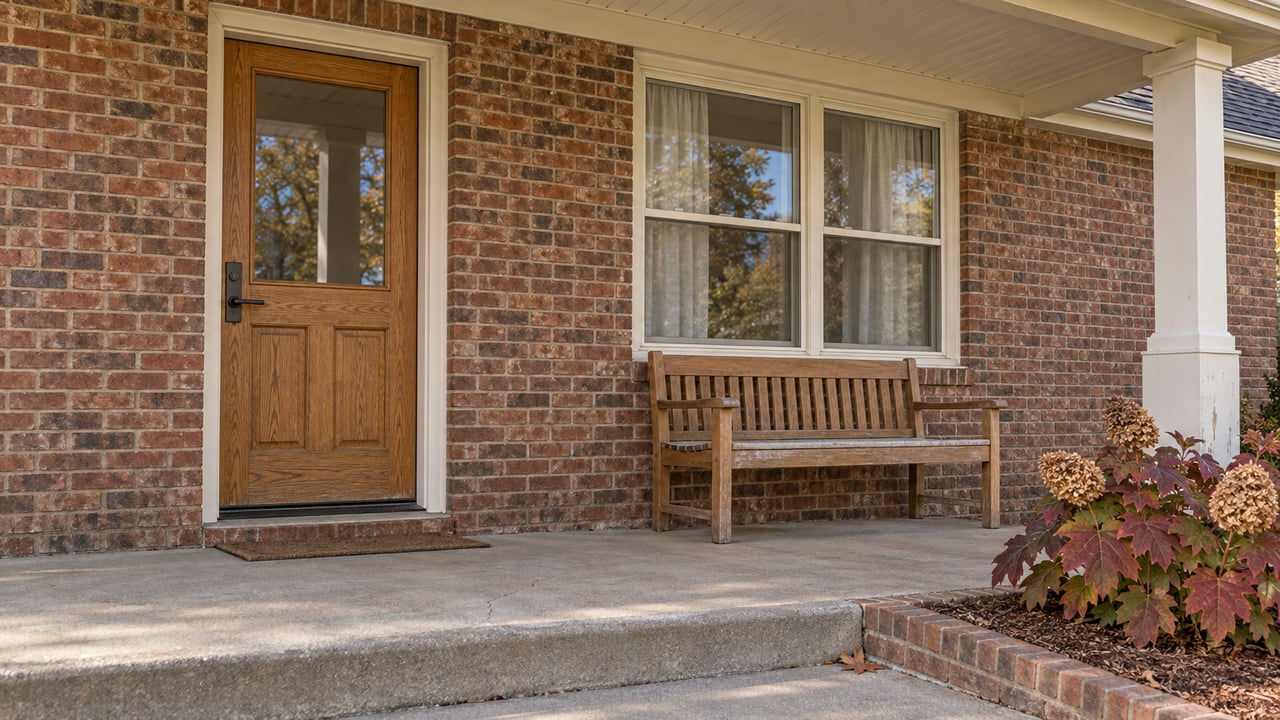
Different home styles often come with different maintenance expectations. Metro notes that brick tends to be relatively low-maintenance, while older wood details usually need periodic care.
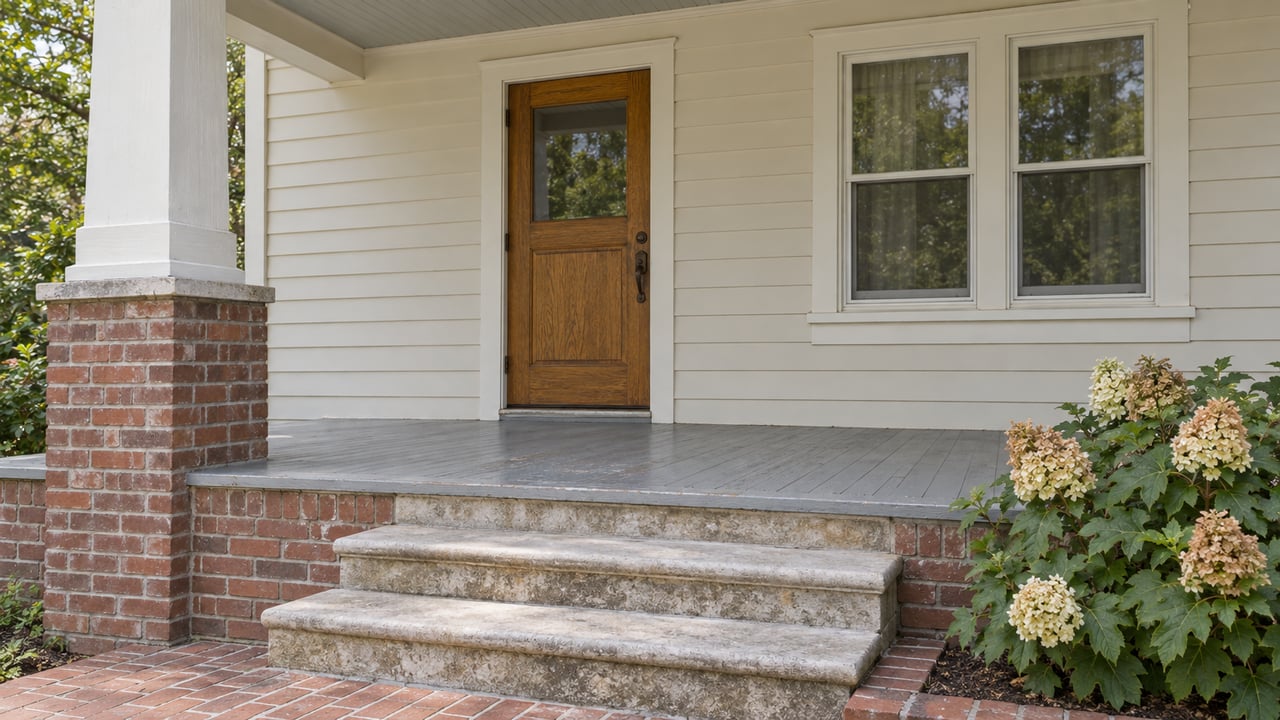
For bungalow-era homes, the roof form, porch, and original trim often have the biggest visual impact. Metro recommends repairing or replacing those features in kind when possible, which can help preserve the look of the house.
The same guidance notes that properly maintained historic wood windows can perform as well as replacement windows, and that attic insulation and weather-stripping often provide better energy gains than wholesale window replacement. For buyers, that is a helpful reminder that smarter maintenance choices are not always the most obvious ones.
Inglewood’s price range is wide enough that style and condition clearly matter. According to the research report, Realtor.com’s May 2026 snapshot shows a median listing price of $619,000, a median sold price of $573,250, $350 per square foot, 126 active listings, and a median 37 days on market.
Redfin’s March 2026 snapshot comes in somewhat lower on sales, with a $562,000 median sale price, $329 per square foot, and a 77-day median days on market. The difference is a good reminder that timing and data source can affect the exact number, but both sources place Inglewood in the mid-$500,000s to low-$600,000s.
The neighborhood also compares favorably with several nearby East Nashville areas on list price snapshots. The research report notes about $727,500 in East End, about $790,000 in Cleveland Park, about $850,000 in Lockeland Springs, and about $619,000 in Inglewood.
That does not make one area better than another. It simply suggests that Inglewood can be a comparatively accessible option for buyers who want land, character, or a broader range of housing styles within the East Nashville orbit.
Most buyers are not choosing between good and bad options. They are choosing between trade-offs that fit their budget, lifestyle, and tolerance for projects.
If you are comparing homes in Inglewood, start with a few simple questions:
In broad terms, older cottages and bungalows often offer the strongest visible character, ranch homes can provide simpler living and easier upkeep, and newer infill may offer the shortest path to move-in-ready ownership. The best match depends on what you value most once you are inside the home and living in it every day.
If you want help sorting through those choices in Inglewood, working with a neighborhood-focused agent can make the process much clearer. Dawn Cassara can help you compare style, condition, and pricing so you can move forward with confidence.
Stay up to date on the latest real estate trends.
Dawn Cassara is dedicated to delivering exceptional real estate experiences with a personalized approach. Her expertise and commitment ensure clients achieve their goals seamlessly.