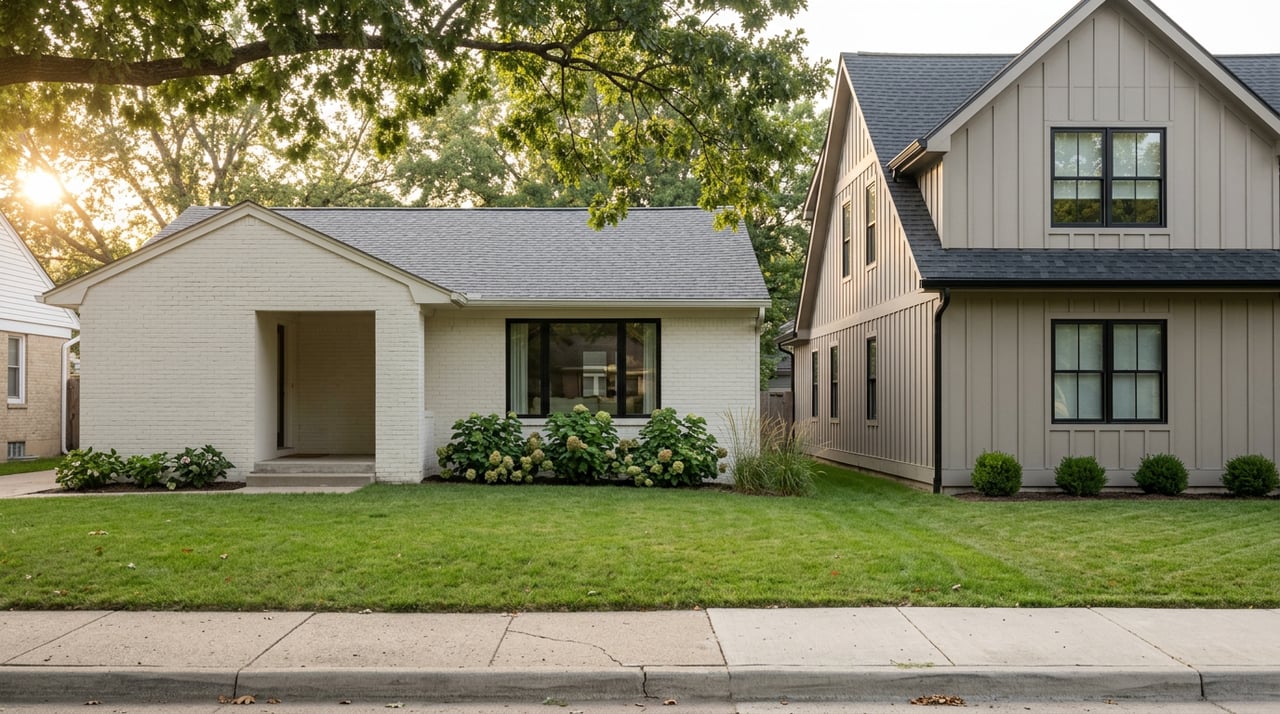
Inglewood Is Nashville's "Hottest Neighborhood" of 2026. Here's the Market Hiding Inside That Number.
August 27, 2026
How does a neighborhood become the hottest thing in a city where sellers outnumber buyers two to one?
That is the puzzle sitting inside Redfin's newest ranking of Nashville's hottest neighborhoods, released this month, which put Inglewood at the top of the list. Nashville right now is one of the strongest buyer's markets in the country. Homes are sitting longer, price cuts are common, and sellers are the ones making concessions. Yet Inglewood, a mid-century neighborhood tucked between Gallatin Pike and Shelby Bottoms in zip code 37216, just got singled out as the place where competition is rising fastest. If you are comparing East Nashville neighborhoods and that headline is what brought you here, it is worth understanding exactly what it is measuring before you write an offer based on it.
Redfin's methodology is narrower than the headline suggests. The ranking starts by identifying zip codes where the median sale price has not fallen year over year, then ranks those areas by how much their Redfin Compete Score has climbed since last year. That score weighs days on market, the share of homes selling above list price, and the sale-to-list ratio. It is a measure of how much friction buyers are running into, not a measure of how fast prices are rising.
In its report, Redfin quoted its Nashville market manager, Jim Carollo: "You'd expect prices to fall in a buyer's market, but that's not what we're seeing in Nashville's hottest hoods." His explanation was that homes priced correctly and shown in good condition are still pulling multiple interested buyers, even while the citywide market leans toward buyers overall.
Inglewood's own numbers back that up without suggesting a boom. Redfin's snapshot of the neighborhood for February 2026 showed a median sale price of $566,000, up 3.9% from the year before, a modest gain rather than a spike. What moved more sharply was speed and volume: homes sold in an average of 74 days, down from 86 the year before, and 66 homes closed that month compared with 56 a year earlier. That is a neighborhood getting more efficient at selling itself, not one where prices are running away.
The more useful story is what is sitting underneath that single median. Inglewood's rolling 12-month figures, current as of April 2026, put the overall median sale price at $610,000 across 72 closed single-family sales, more transaction volume over that period than three of 37206's best-known neighborhoods, Lockeland Springs, Cleveland Park, and McFerrin Park, combined. But that $610,000 figure blends two products that behave nothing alike.
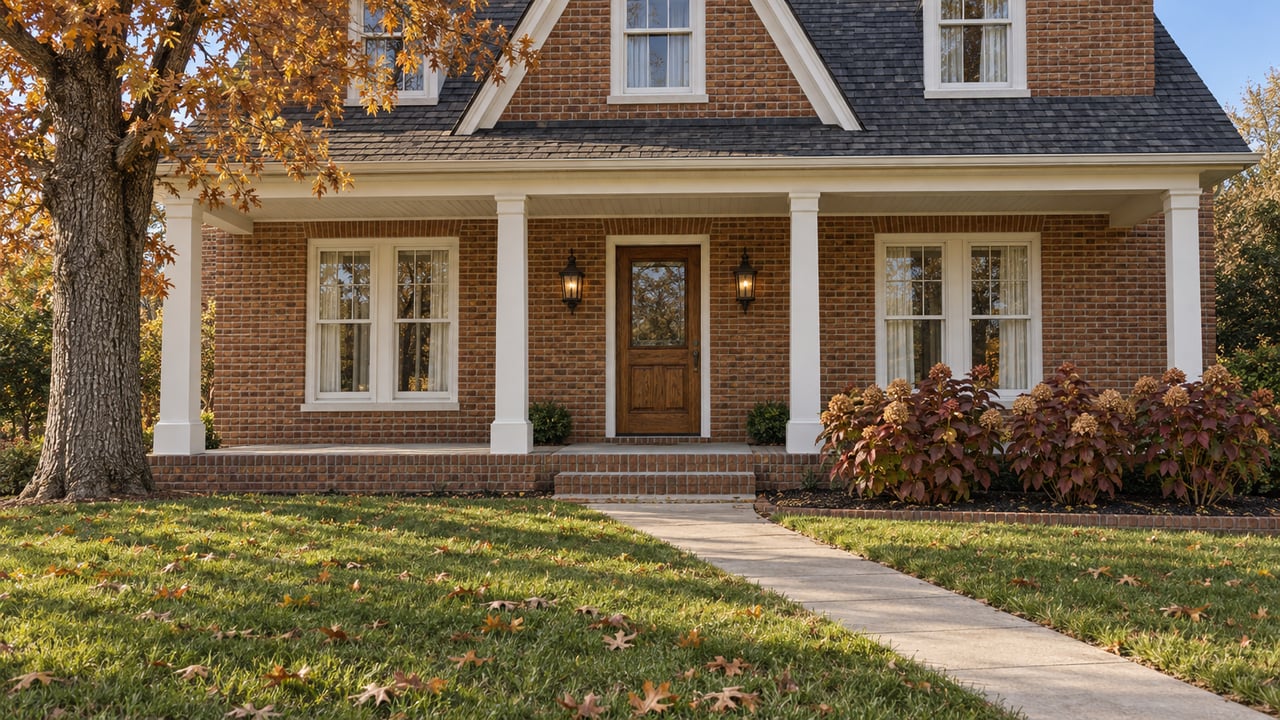
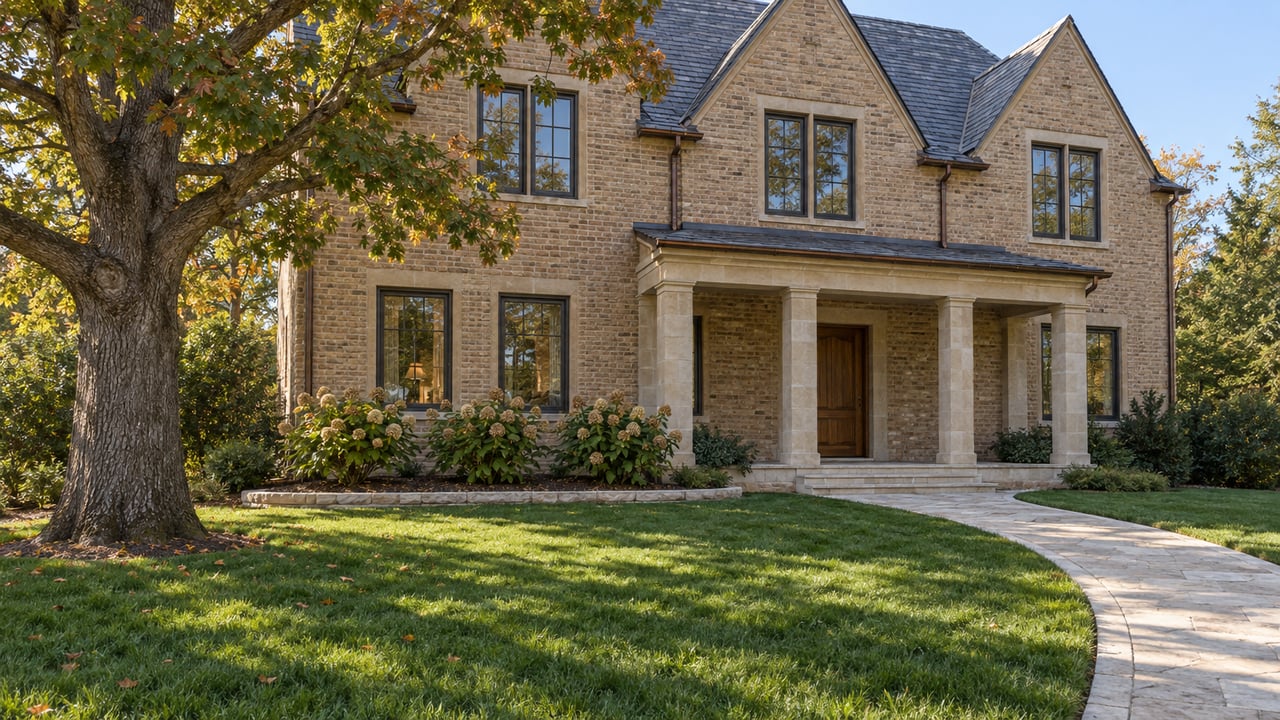
Strip out new construction and the resale-only median in Inglewood drops to $590,000. New construction alone carries a median of $975,000, a 65% premium over resale. New builds in the neighborhood are landing as three to five bedroom contemporary and traditional homes between 2,250 and 4,140 square feet, and a growing share of them are what MLS data classifies as HPR-detached, the tall-skinny and side-by-side product now accounting for 18% of all single-family closings in Inglewood. Resale still dominates at nearly 82% of sales, with homes built in the 1940s alone making up more than a quarter of closings. That is the actual composition of the "hot" market: a large base of older brick homes moving at a steady pace, and a smaller, much pricier layer of new construction pulling the averages upward.
Inglewood's average sale price sits at $720,769, which is $110,000 above the median. That gap traces back almost entirely to a single transaction: 1426 McGavock Pike, a five-bedroom, 8,383-square-foot new-construction estate on a 3.76-acre lot that closed in 2025 for $3,765,000, the highest sale ever recorded in the neighborhood. One property reset what the "average" home in Inglewood appears to cost. If a listing site or a casual comp search hands you an average price for the neighborhood, ask whether that number includes an outlier like this one before you use it to judge whether a specific house is priced fairly.
Inglewood spans at least nine distinct sub-neighborhoods, and the price gap between them is larger than most buyers expect from a single zip code.
| Sub-neighborhood | Median sale price (rolling 12 months, as of April 2026) |
|---|---|
| Inglewood core | $750,000 |
| Inglewood Golf Club | $750,000 |
| Inglewood Place | $594,000 |
| Inglewood Heights | $370,000 |
Street-level sales tell the same story in more detail. Howard Avenue and Kirkland Avenue, both firmly in core Inglewood's mid-market, traded renovated 1940s and 1950s brick homes with basements and fireplaces between $500,000 and $787,500. Greenland Avenue, which connects directly to the Shelby Bottoms Greenway, posted sales from $690,000 to $1,359,000, a reminder that trail access carries its own premium separate from era or square footage. Stratford Avenue anchored the more affordable Inglewood Place sub-neighborhood with renovated 1930s to 1950s homes between $460,000 and $969,900. Shelton Avenue included a $1.1 million sale on a distinctive 2021 A-frame. And Litton Avenue in South Inglewood, one of the neighborhood's more affordable pockets historically, still produced a $975,000 new-construction sale, evidence that the new-build premium shows up even where resale prices remain modest.
None of these streets are wrong to call part of "Inglewood." But a buyer using the neighborhood's headline number to gauge what they will pay on Kirkland Avenue is working from the wrong comp entirely.
Part of what is fueling Inglewood's rise is a longer migration story from across Gallatin Pike. Zip code 37216, which Inglewood anchors, accounted for just 31% of East Nashville's single-family closings in January 2025. By March 2026, that share had climbed to 47%, with February 2026 sitting at 42%. Buyers priced out of 37206's established neighborhoods, Five Points, Lockeland Springs, Edgefield, have been moving north, and the renovation and new-construction quality showing up in Inglewood is starting to match what 37206 has offered for years.
That shift has narrowed a price gap that used to be wide open. In January 2026, 37206 carried a clear premium, with a $647,500 median against 37216's $560,000. By March, 37216's single-family median of $680,000 had actually edged past 37206's $650,000, though that crossover reflects which specific homes closed that month more than a permanent reordering of the two zip codes. What has held steady is the broader gap in average price: in February 2026, 37206 averaged $762,146 against 37216's $619,915, a difference of roughly $142,000 that still makes 37216, and Inglewood within it, the more accessible entry point into East Nashville. Zip code 37216 is no longer the automatic discount it was two years ago, but it has not caught up to 37206 across the board either.
Does "hottest neighborhood" mean I'll face a bidding war on every house in Inglewood? No. The ranking reflects rising competitiveness on well-priced, well-maintained homes in general, not universal bidding wars. Resale inventory in less central sub-neighborhoods still moves at a calmer pace than the headline suggests.
Is new construction the better investment here? It depends on what you are optimizing for. New builds command a real premium, currently 65% over resale, but resale homes on Inglewood's larger, quarter-acre-plus lots hold long-term land value that newer, smaller-lot tall-skinny product does not always match.
Which part of Inglewood is the most affordable entry point right now? Based on the most recent 12-month data, Inglewood Heights, with a median sale price of $370,000, sits well below the rest of the neighborhood's sub-markets.
A neighborhood ranking is a useful signal, but it was never built to tell you what a specific street, a specific era of home, or a specific product type is actually worth. If you are comparing Inglewood against other East Nashville neighborhoods and want a comp set built around the block you're actually considering rather than the zip code as a whole, Dawn Cassara can walk through the current data with you street by street and help you figure out exactly which market you'd be stepping into.
Stay up to date on the latest real estate trends.
Dawn Cassara is dedicated to delivering exceptional real estate experiences with a personalized approach. Her expertise and commitment ensure clients achieve their goals seamlessly.