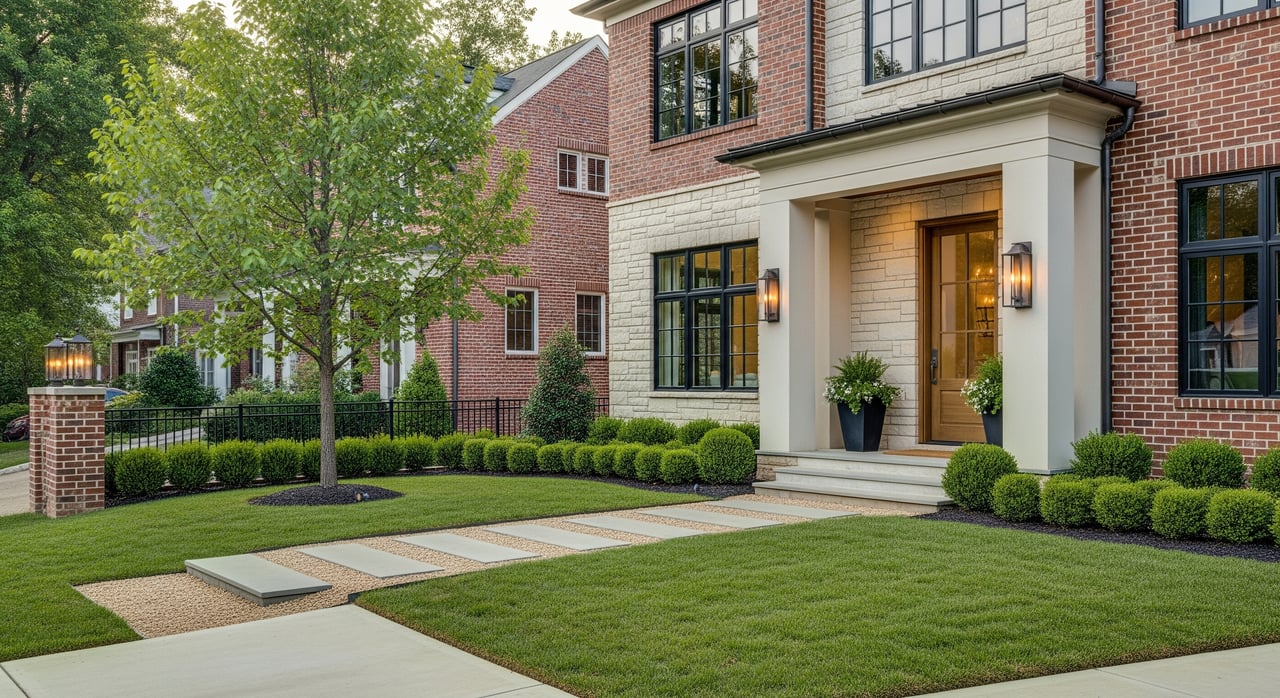
Investing In Inglewood: STR Rules Without The Headaches
November 6, 2025
Thinking about an STR in Inglewood but worried about the rules and red tape? You are not alone. Nashville’s short-term rental regulations change often, and the details can make or break your plan. This guide gives you a clear, compliance-first roadmap tailored to Inglewood so you can decide if owner-occupied hosting, a permitted-zone purchase, or another strategy fits your goals. Let’s dive in.
Inglewood is mostly residential with some mixed-use corridors nearby. That matters because whether you can run an STR depends on your property’s zoning and any overlays that apply. You need to confirm both before you plan a purchase or list your home.
Cities often treat these differently. Owner-occupied means the host lives at the property as a primary residence and rents part or all of it for short stays. Non-owner means a full-time investment property. Requirements and eligibility can differ across zones, so verify which category your plan fits.
Start by checking the property’s zoning designation. Single-family zones often limit or prohibit new non-owner permits, while some multi-family, commercial, or mixed-use zones may allow them. Neighborhood overlays or local conservation districts can add extra restrictions you must follow.
Plan for multiple taxes and registrations. Expect a hotel-type transient occupancy tax, state sales tax, and a local business tax account. Most programs require proof of tax registration to issue and renew a permit.
You will see rules on maximum occupancy, parking, quiet hours, and trash. You will also need to post your permit number in listings and onsite and list a local 24/7 contact. These rules protect neighbors and your permit status.
The only reliable answer is address-specific and time-specific. Rules shift and some non-owner permits may be limited by zone or overlay. Use the city’s official zoning map, STR permit portal, and Codes guidance to confirm current eligibility for your exact address.
Here is how to verify quickly:
This is the lowest-risk route for many Inglewood properties. If you live on site as your primary residence and meet residency proof requirements, you can often apply for an owner-occupied permit. You still need to follow zoning, parking, occupancy, tax, and safety standards.
If you want a full-time STR investment, focus on properties that are zoned to allow non-owner permits. These are more likely in specific multi-family, commercial, or mixed-use zones within or near Inglewood. Confirm permit eligibility before you write an offer.
Confirm zoning allows owner-occupied STR at your address.
Gather residency proof. Typical documents include your driver’s license, voter registration, and recent utility bills showing the address matches your application.
Register for required taxes. Set up transient occupancy tax and local business tax accounts, and register for state sales tax if required.
Complete the application. Provide host and local contact info, a floor plan, bedroom count, egress details, and a parking statement.
Prepare for inspection if required. Install smoke and CO detectors, verify egress, and keep safety equipment maintained.
Operate and renew. Post your permit number in listings and onsite, maintain a 24/7 local contact, follow occupancy and nuisance rules, file taxes, and renew annually.
Verify eligibility. Confirm the property’s zoning and any overlays allow new non-owner STR permits at that address.
Identify your local agent. Many programs require a local 24/7 contact or management company within the county.
Register for taxes and business accounts. Obtain a business tax certificate and transient occupancy tax account, and register for state sales tax as needed.
Prepare documentation. Provide owner information, local agent details, a floor plan, and evidence of safety features. Secure liability insurance if required.
Complete inspections. Schedule and pass any fire or building inspections prior to issuance.
Operate and renew. Post the permit number on all listings and onsite, maintain records, respond promptly to complaints, and renew annually.
Enforcement is often complaint-driven. Common triggers are noise, overcrowding, illegal parking, and trash. Fines can escalate for repeat violations, and serious or repeated complaints can lead to hearings, suspension, or revocation. A responsive local contact, clear house rules, and proactive neighbor communication reduce risks.
If you want an STR strategy without headaches, build your plan around zoning, permit type, taxes, and safety standards. Confirm eligibility before you buy, keep excellent records, and operate with neighbor-friendly policies. That approach protects your investment and your peace of mind.
Ready to map your best path in Inglewood? Reach out to Unknown Company for a quick consultation or to get started with Get Your Instant Home Valuation.
Stay up to date on the latest real estate trends.

Dawn Cassara is dedicated to delivering exceptional real estate experiences with a personalized approach. Her expertise and commitment ensure clients achieve their goals seamlessly.