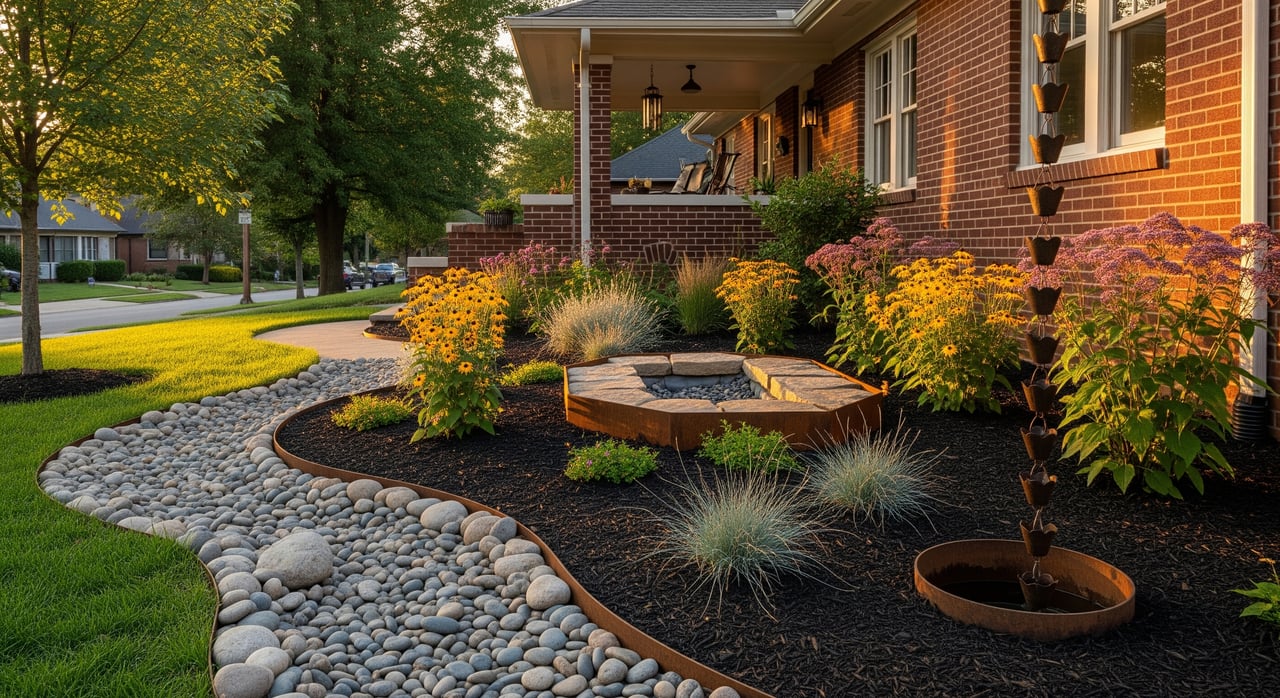
Smarter Yards In Inglewood: Rain Gardens And Drainage
October 16, 2025
After a quick summer storm, do you see water racing off your roof and pooling in low spots? You are not alone in Inglewood. Recent coverage shows how intense downpours can overwhelm streets and yards around Nashville, including this side of the river. When you want a yard that handles heavy rain and still looks great, a rain garden can be a simple, smart solution. In this guide, you will learn how rain gardens work, where to put one, how to size and plant it, and who to call for local help. Let’s dive in.
Heavy rain is hitting harder in the Nashville area, with analyses pointing to increasing hourly rainfall intensity that fuels flash flooding. Local news has documented storms that dropped heavy rain and flooded areas around East Nashville and Inglewood. These trends make on-site fixes like rain gardens more valuable for homeowners.
Metro Water Services promotes bioretention, often called rain gardens, because it reduces runoff, slows peak flows, and improves water quality. That means less stress on neighborhood storm drains and a more resilient yard during sudden cloudbursts.
A rain garden is a shallow, landscaped basin that captures runoff from a roof, driveway, or lawn, then lets it soak into a special soil mix and plant roots. Done right, it typically drains within 24 to 48 hours, so you avoid standing water issues. Benefits include less runoff to streets, cleaner water, improved habitat, and attractive landscaping. Metro’s bioretention program confirms these benefits and provides clear design guidance for Nashville yards.
Metro’s technical guidance uses a straightforward rule of thumb: size the rain garden at about 3 to 10 percent of the area that drains to it. For example, if 1,000 square feet of roof drains to your garden, plan for roughly 30 to 100 square feet depending on soil infiltration and performance goals. Metro also recommends a minimum length and width of 10 feet. Find the detailed criteria in the GIP-01 Bioretention guide.
Rain garden plants must tolerate both short wet periods and dry spells. Many Middle Tennessee natives do this well and look beautiful, including blue flag iris, cardinal flower, swamp milkweed, switchgrass, coreopsis, coneflower, lobelia, Liatris, and native goldenrods. Metro’s bioretention page points to local plant lists, and local workshops can help you choose a mix that fits your yard. For plant ideas and classes, check the Metro bioretention overview and the Master Gardeners’ local resources.
For soil, bioretention uses a sandy, well-draining media with organic matter. When you need official performance or credits, follow the media and layer specs in Metro’s GIP-01 guide.
Small, simple gardens that do not change how water gets to public pipes may not need a grading permit. If you will alter drainage to the public system, regrade significantly, or pursue credits, contact Metro Water Services and review the Stormwater Management Manual.
Stormwater fee credits and green infrastructure incentives may be available in Davidson County when you meet documentation and inspection requirements. Start with Metro’s stormwater fee and credit page and ask about residential eligibility.
For homeowner-friendly guidance, the Cumberland River Compact offers how-tos, consultations, and local program info. Explore their rain garden resources and Urban Waters programs.
A well-placed rain garden signals care for drainage and property upkeep, which can reassure buyers during Nashville’s quick, heavy rains. You also get a fresh landscape feature that boosts curb appeal while doing real work for your yard.
Ready to plan a yard that handles storms with style and care? Reach out to Dawn Cassara for neighborhood-level guidance and connections to local resources.
Stay up to date on the latest real estate trends.



Dawn Cassara is dedicated to delivering exceptional real estate experiences with a personalized approach. Her expertise and commitment ensure clients achieve their goals seamlessly.