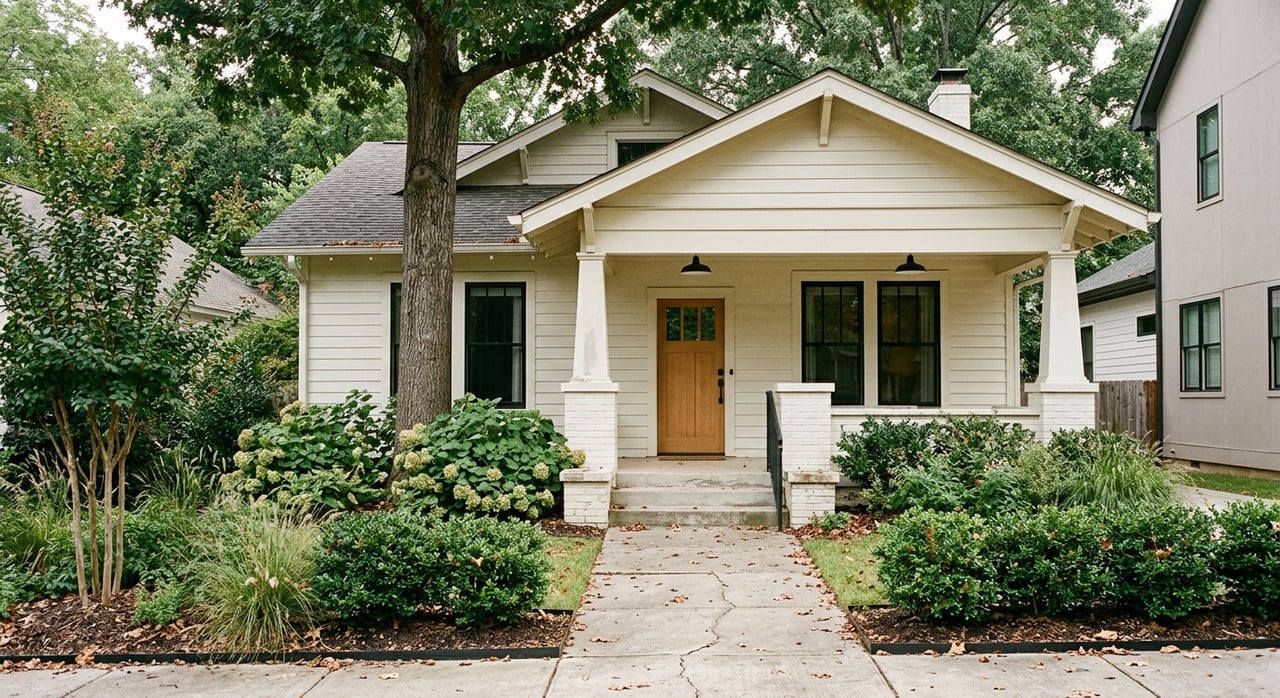
What It’s Really Like Living In East Nashville
June 4, 2026
If you are thinking about calling East Nashville home, you probably want more than a list of hot spots. You want to know how the area actually feels day to day, how easy it is to get around, and whether the lifestyle matches what you picture for yourself. The good news is that East Nashville has a distinct rhythm that blends neighborhood character, local businesses, green space, and easy access to the rest of the city. Let’s dive in.
One of the first things to know is that East Nashville is not always defined by one clean boundary line. Nashville planning notes that residents do not always agree on exact edges, so East Nashville is best understood as a broader district made up of overlapping pockets rather than one hard-edged neighborhood.
That matters when you start exploring homes and blocks. Two streets can feel a little different from each other, and that is part of the appeal. Instead of one uniform look or lifestyle, you get a mix of places with their own identity, all tied together by a strong local feel.
City planning also describes East Nashville through its community character, with attention to neighborhoods, corridors, centers, and open space. In practical terms, that means the area is shaped by how it feels to live there, not just by a map.
For many people, daily life here feels active without feeling hectic. You can picture a morning coffee run, a casual lunch nearby, errands that may be possible on foot or by bike, and time spent at a local hangout instead of always driving to a big commercial center.
Official local descriptions highlight coffee shops, brunch spots, vintage stores, dive bars, and craft cocktail spots as part of the neighborhood routine. Businesses like Bongo East and Ugly Mugs also reflect that community-gathering side of East Nashville, where familiar local places become part of everyday life.
Beyond food and drinks, there are civic anchors that help the area feel lived in. The East Branch Library and East Park Community Center add a steady neighborhood presence and give the area more depth than a simple dining and nightlife district.
East Nashville has a reputation for being independent and eclectic, and that shows up in the businesses people actually use. The area is known for vintage shopping, record stores, and a creative energy that feels woven into daily routines instead of staged for visitors.
Grimey’s is one clear example of that independent spirit. It fits the broader East Nashville pattern of local, personality-driven destinations that feel like regular neighborhood stops.
That is part of what makes East Nashville different from places that feel more polished or more planned around tourism. The neighborhood tends to feel residential first, with creativity and culture built into the background.
If you love trying local restaurants, East Nashville makes a strong case for itself. The neighborhood is widely recognized as one of Nashville’s go-to spots for innovative dining, and that reputation is backed up by the range of independent restaurants in the area.
Current local favorites help paint the picture. Folk is known for seasonal dishes, naturally leavened pizzas, natural wines, and cocktails. Lyra brings a Middle Eastern menu to the heart of East Nashville, while Xiao Bao offers an Asian-influenced menu on Meridian Street. Bad Idea adds another layer to the scene from its converted church space on Russell Street.
For you as a resident, this means dining out can feel built into the week, not saved for special occasions downtown. There is real variety nearby, and it is spread across places with individual style and personality.
East Nashville does have nightlife, but it is not the same as the downtown entertainment core. Instead of one major tourist strip, the area’s evening scene is spread across smaller venues and bars with a more neighborhood-centered feel.
The Basement East is a major part of that identity. Since opening in 2015, it has become a well-known live music venue, and it describes itself as the only mid-sized music venue in Five Points.
Other spots like Cobra, Lipstick Lounge, and Schulman’s reinforce that local-night-out atmosphere. You have options for live music, karaoke, trivia, drinks, and casual food, but the experience tends to feel more personal and less centered on large-scale tourism.
One of the biggest surprises for some buyers is how much access East Nashville has to parks and trails. For an in-town area, the green space here is a major lifestyle benefit.
Shelby Park is a 300-acre multi-use park just two miles from downtown. Together with Shelby Bottoms, the larger connected area expands to more than 1,200 acres and includes river views, wildlife watching, dog parks, ball fields, golf, a boat launch, picnic shelters, and a community center.
Shelby Bottoms itself is a 960-acre natural area with more than five miles of paved ADA-accessible trail and more than five miles of primitive trail. That gives you the option to fit nature into an ordinary weekday, whether you want a quick walk, a bike ride, or more time outdoors on the weekend.
There is also ongoing park development in the area. Lockeland Springs Park is being developed on a three-acre wooded wetland site between Lockeland Design Center and Shelby Park, with trails, signage, and outdoor classrooms planned.
East Nashville’s location across the Cumberland River from downtown is a big part of its appeal. You are close to the urban core, but you still get a more neighborhood-based lifestyle.
Metro Parks notes that Shelby Bottoms and Shelby Park are less than four miles from Lower Broadway. That closeness can make East Nashville feel connected to the city while still giving you room to step into parks, side streets, and local gathering spots.
Transportation options are becoming more multi-modal as well. Nashville’s transportation department says East Nashville bikeway projects are focused on better connections between residential areas, Five Points, Shelby Bottoms Park, and river crossings into downtown.
Transit is part of the picture too. WeGo notes that Route 56 Gallatin Pike serves Five Points Station and Central 4th Avenue downtown, and the WeGo Star offers weekday morning and afternoon service for riders along the East Corridor.
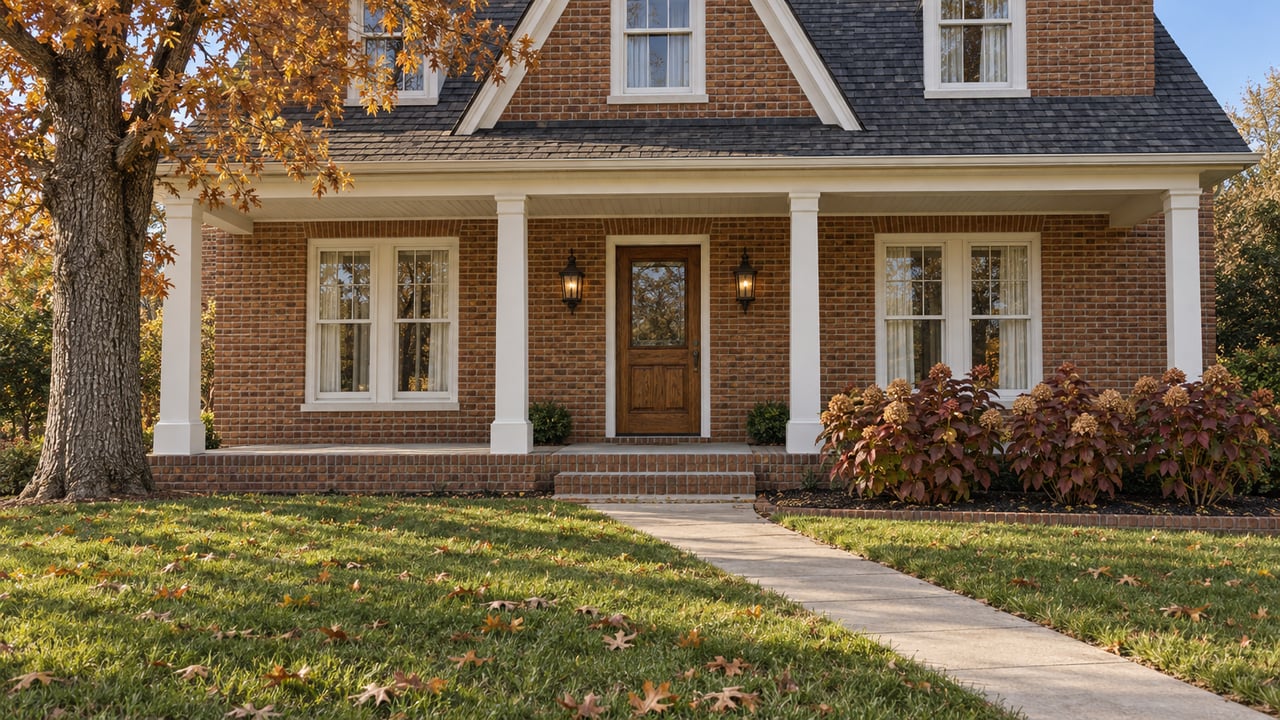
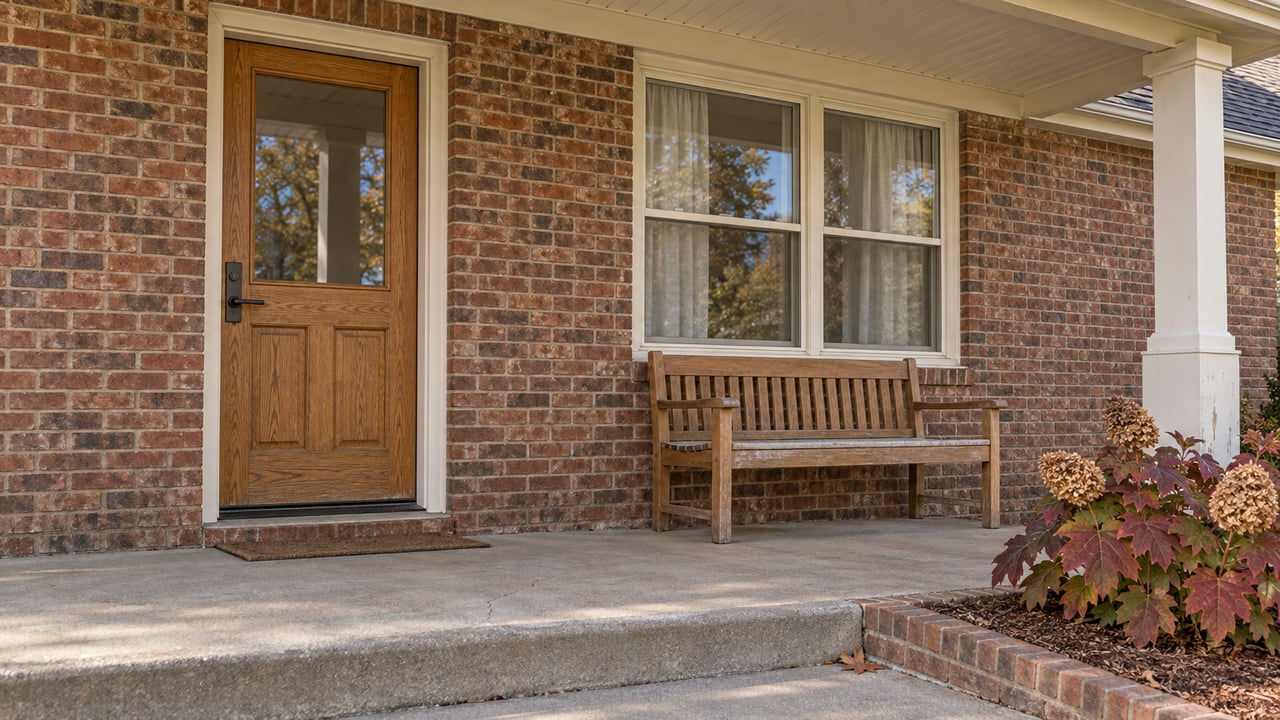
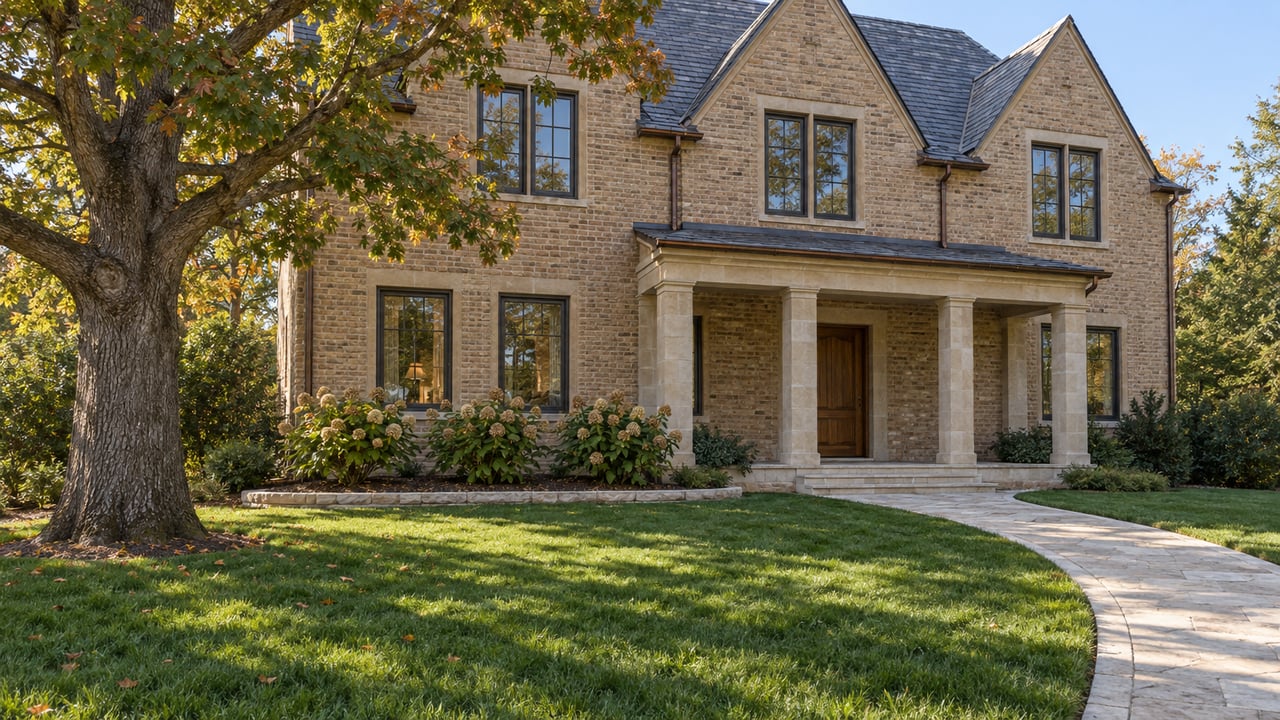
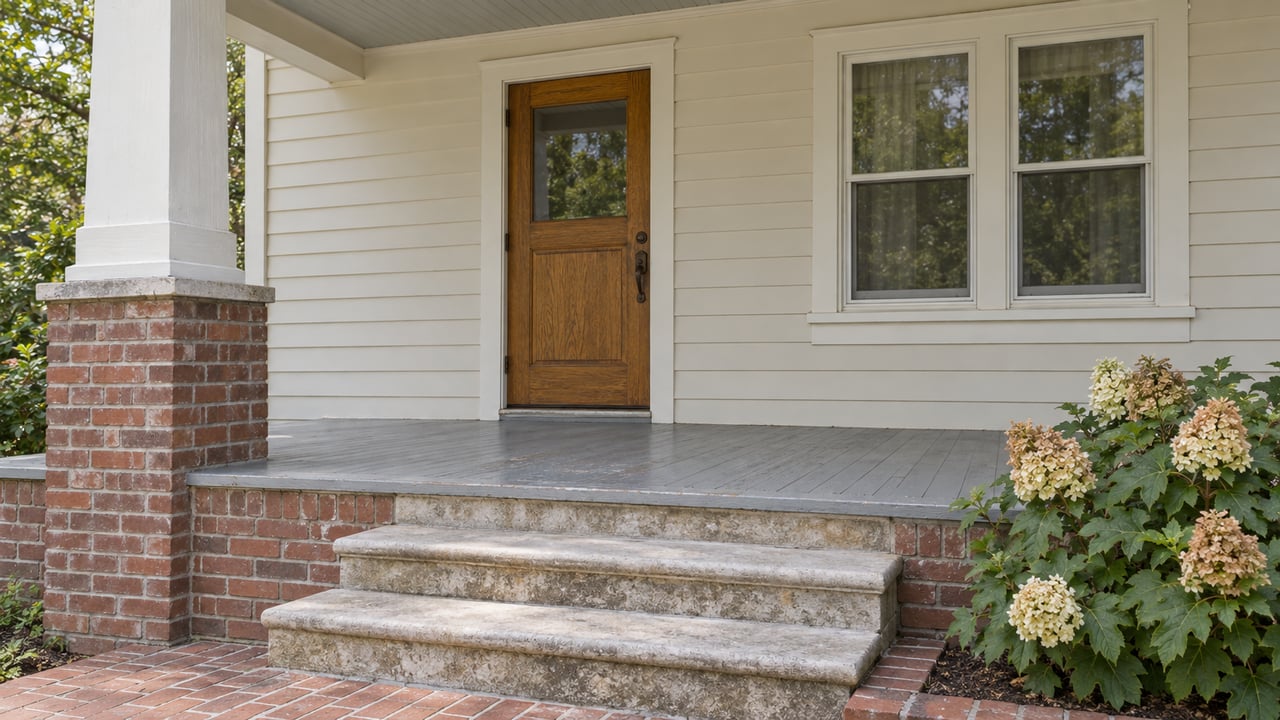
Housing in East Nashville tends to appeal to buyers who want personality, not cookie-cutter sameness. The city’s planning framework emphasizes a mix of uses, housing types, and strong design, which helps explain why the housing conversation here often feels more layered than in areas dominated by one style of development.
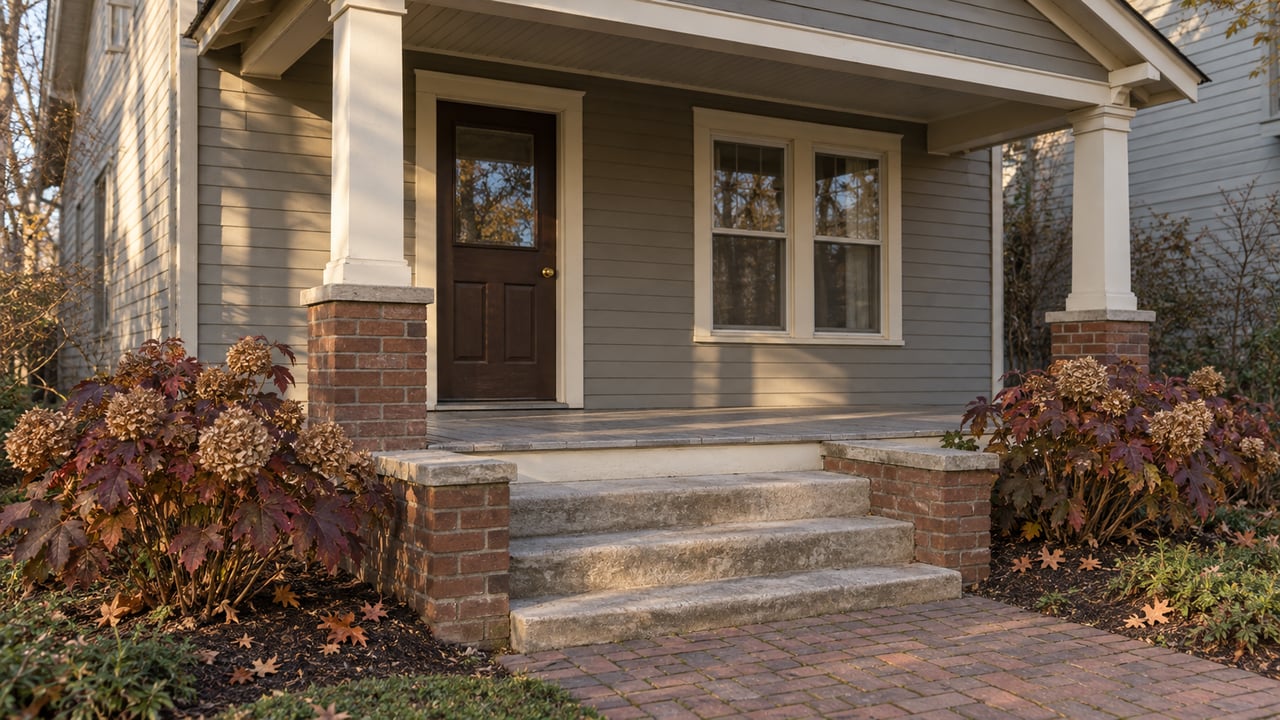
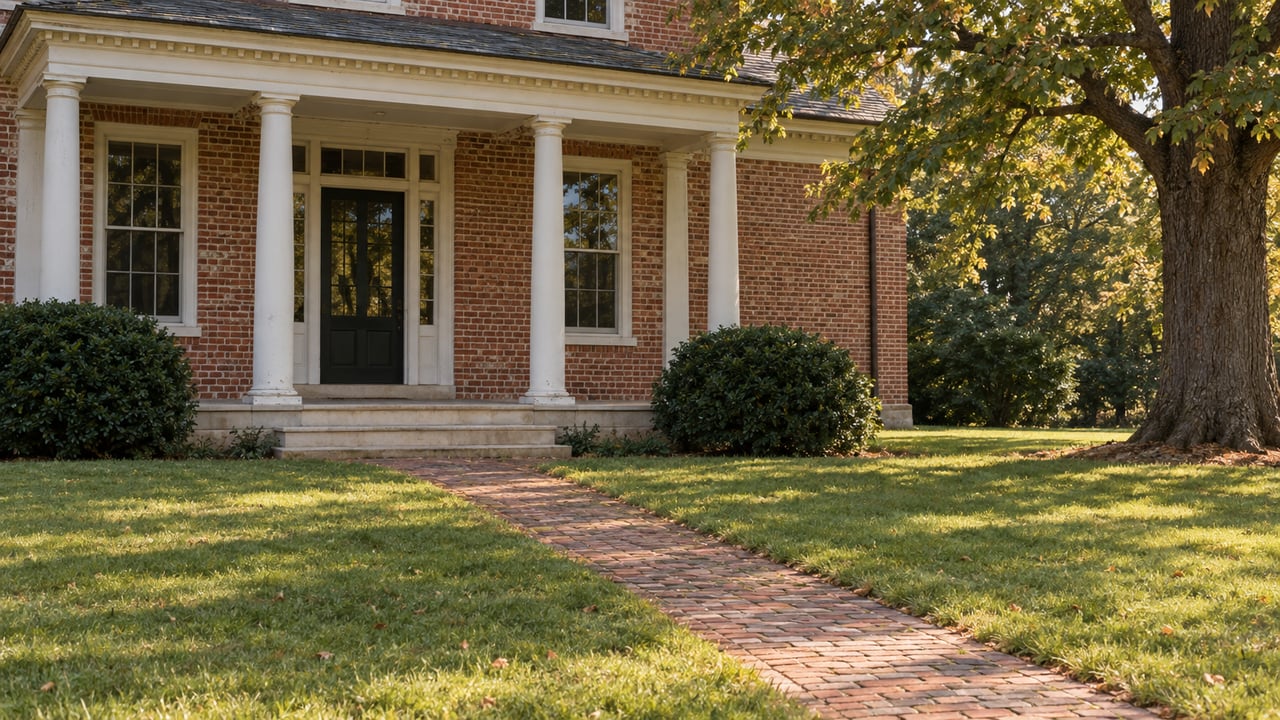
Historic preservation also plays a role. Nashville’s historic overlay district list includes Lockeland Springs-East End and Edgefield among East Nashville-area historic districts, which helps explain the local focus on older homes and architectural character.
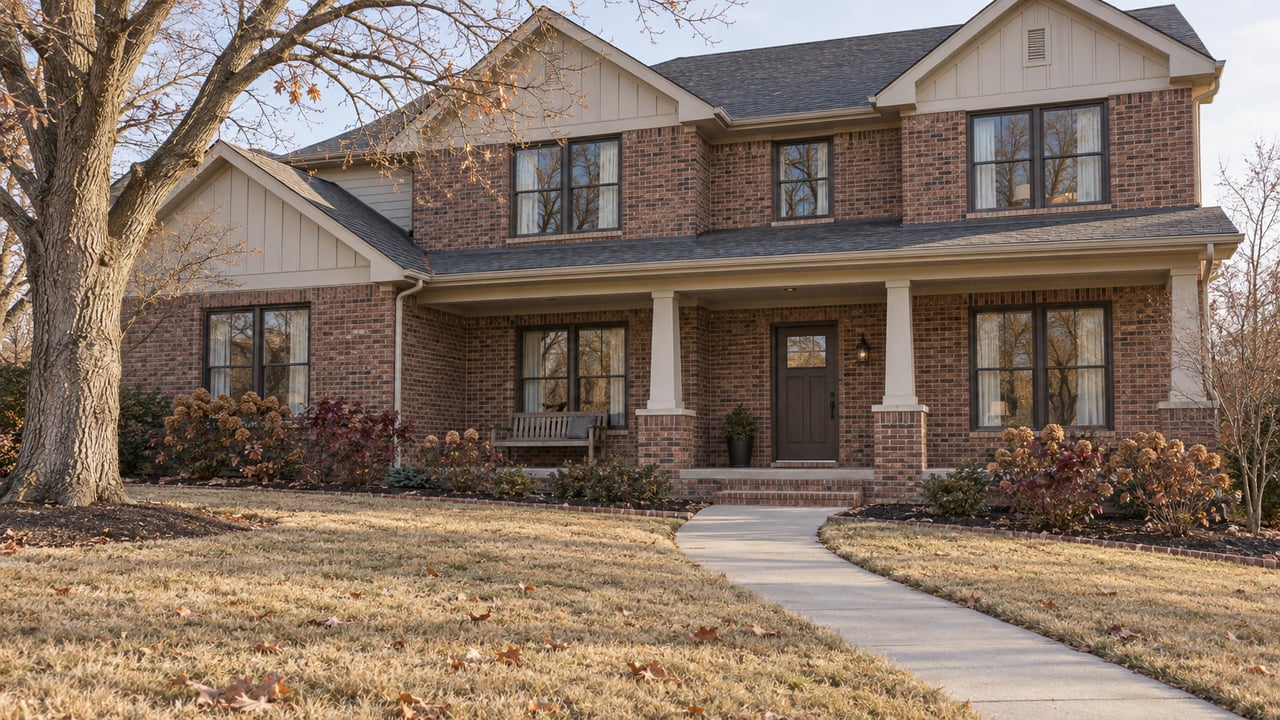
At the same time, East Nashville is not frozen in time. Based on city planning and permit rules, the area includes a mix of historic homes, newer infill, and a range of smaller-scale residential forms, including accessory dwelling units in some zones and overlays.
For you as a buyer, that means your home search may include very different options within the same broader area. You may see older homes with original charm, newer construction, or other small-scale housing types depending on the pocket and zoning context.
If you are deciding between neighborhoods, East Nashville often stands apart because it feels locally driven and residential at the same time. It is not the polished urban core of downtown, and it does not read exactly like a boutique retail district either.
Compared with other well-known Nashville areas, East Nashville tends to feel more eclectic than downtown and less boutique-polished than 12South. It also comes across as more neighborhood-centered than Germantown.
A helpful way to think about it is this: East Nashville feels residential first and creative second, while still offering enough restaurants, nightlife, and activity to feel lively. If that balance sounds right to you, the neighborhood may be worth a closer look.
East Nashville can be a strong match if you want a neighborhood with personality, daily convenience, and quick access to both city life and outdoor space. It often appeals to buyers who care about local businesses, varied housing options, and a lifestyle that feels connected to the surrounding community.
It can also work well for people relocating to Nashville who want an area with an established identity instead of a more generic feel. If you like the idea of parks, coffee shops, independent restaurants, live music, and a little more neighborhood texture, East Nashville offers that mix.
Like any area, the right fit depends on your priorities, budget, commute, and the type of home you want. That is why it helps to look beyond the label of East Nashville and explore the different pockets within it.
If you are thinking about buying or selling in East Nashville, working with someone who understands the neighborhood block by block can make the process much easier. When you are ready for local guidance and a clear plan, connect with Dawn Cassara.
Stay up to date on the latest real estate trends.
Dawn Cassara is dedicated to delivering exceptional real estate experiences with a personalized approach. Her expertise and commitment ensure clients achieve their goals seamlessly.